
Disney opens El Capitan red carpet to creators as entertainment's power centre shifts
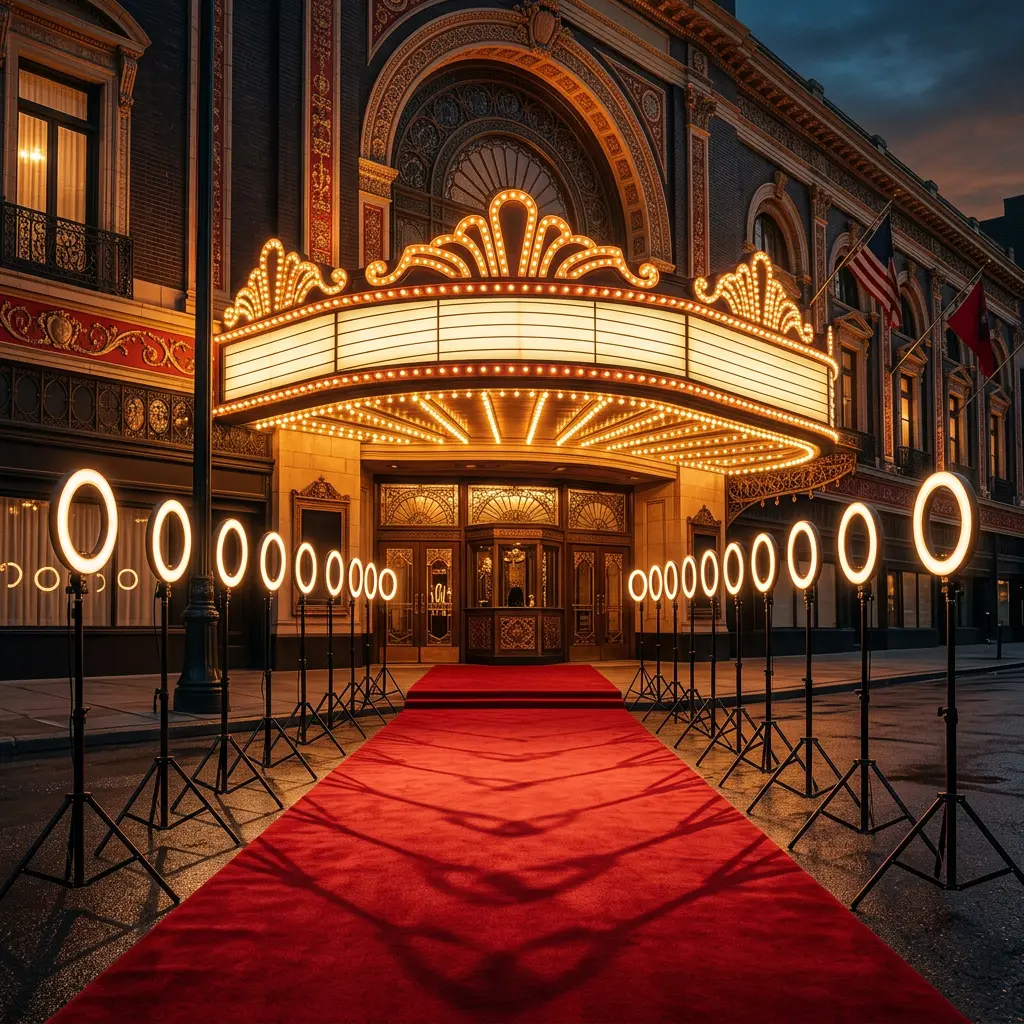
Disney is bringing 350 creators to the El Capitan Theatre and Walt Disney Studios lot for Created in LA, a two-day event that places YouTube and TikTok creators in the same spaces traditionally reserved for Disney's biggest film premieres. The El Capitan Theatre will host its first red-carpet premiere for creator videos, a venue long associated with Disney's own tentpole releases.
The symbolism is harder to miss than the strategy. For the first time in the El Capitan's 100-year history, creator videos will premiere on the big screen, followed by a day of programming at the Burbank studio lot where Dana Walden, president and chief creative officer of The Walt Disney Company, will open the event on 17 September, with Disney CEO Josh D'Amaro taking the stage on 18 September.
This is Disney saying the quiet part out loud: creators are no longer adjacent to entertainment. They are entertainment.
What changed, and when
YouTube topped TV viewership every month throughout 2025, according to Nielsen metrics. The Interactive Advertising Bureau predicted that US ad spend for the creator economy would hit $37 billion in 2025, a 26% increase compared to the previous year. Meanwhile, as theatres struggle, cable dies, network TV clings to life and streamers finally flirt with profitability, the creator ecosystem has been thriving.
Disney has been testing creator partnerships for years, working with names like MrBeast, Mark Rober and Kylie Kelce. But hosting a creator conference at two of its most iconic venues is different in kind, not just degree. It is Disney creating a staged point of contact between its entertainment infrastructure and an audience that increasingly produces, distributes, and finances its own work.
The event opens with the debut of an original video from Sticks, a filmmaking and digital creator duo with 1.2 million in social reach, titled The Technoblade Movie, which serves as a tribute to one of the most beloved creators. The speaker lineup includes Dude Perfect, The Try Guys, Zach King, Jordan Matter, Dhar Mann and Walt Disney Animation Studios Chief Creative Officer Jared Bush.
Created in LA is conceived and hosted by Jon Youshaei, who spent eight years working inside YouTube and Instagram before striking out on his own and has built an audience of more than 1 million followers and generated 400 million views.
After 100 years, it's surreal to see Disney open two of its most iconic venues to creators.
Jon Youshaei, creator and host of Created in LAWhy this matters for social media marketers
The lines between creator content and studio entertainment are disappearing, which changes how brands should think about reach, distribution and storytelling formats.
Social media has long been a place for studios to find talent, but now Hollywood is investing in creators to build audiences on the platforms where they're already thriving, with one former Fox executive calling it the first time the Hollywood system is recognizing internet storytellers as viable partners.
Power players in Hollywood are more interested in teaming up with creators than ever before, but these partnerships are playing out on creators' terms more and more. One CEO of a creator management company told TheWrap that Hollywood will continue trying to figure out how to work with creators.
For brands that have treated creator partnerships as a channel separate from entertainment marketing, that separation is collapsing. When Disney puts creator videos on the same red carpet as Marvel premieres, the signal to marketers is clear: these are not "influencers". They are primary distribution.
Disney has already moved in this direction operationally. Creator requests now make up a third of all entertainment wishes granted through partnerships like Make-A-Wish, and Disney is building an entire ecosystem around them. Programmes like Disney Creators Lab and Disney Creators Celebration have brought hundreds of creators into the fold, from emerging voices to established names, where they test park experiences, co-create content, and reach audiences traditional marketing could never touch.
The shift has also reached Disney's streaming strategy. CEO Josh D'Amaro said short-form is an area Disney is actively leaning into and cited its recent experiment with the creators collection initiative, which saw creator-led videos related to Predator and Lilo & Stitch appear on platforms.
The wider Hollywood context
Disney is not alone. The Hollywood Reporter has opened a new front in the creator economy with the launch of UP NEXT: The Creator IP Market, to be held in Los Angeles in October 2026, with one executive describing it as creating a serious business marketplace where creators can connect directly with studios, streamers, networks, brands and investors.
MADE BY US Studios, the first Creator Hollywood studio powered by dentsu, has been built to bridge the creator economy and traditional entertainment by developing, financing, producing and distributing premium film, television and digital-first IP with the world's leading creators.
The talent pipeline is already producing results. Two movies inevitably come up in conversations around creators in 2026: Kane Parsons' Backrooms and Curry Barker's Obsession, which have become shorthand for creator-industry-crossover success stories, though both had traditional partnerships with studios (Obsession was produced by Blumhouse, and Backrooms had the backing of A24).
The top tier of the creator economy no longer resembles influencer marketing but Hollywood circa 2010, when studios were scrambling to understand what streaming would mean for their talent deals, with creators like Rhett and Link (Mythical Entertainment), Yes Theory, and Colin and Samir now operating with writers' rooms, development slates, theatrical distribution ambitions and dedicated legal counsel.
What brands should do now
If Disney is rolling out red carpets for creator premieres, the implication for brand partnerships is straightforward: production value, creative control and distribution strategy matter more than follower count.
Treat top-tier creator partnerships the way you would treat a studio production deal. That means longer lead times, clearer IP ownership terms, and an understanding that the best creators now have the infrastructure and the leverage to say no to anything that doesn't fit their slate.
Look at what formats creators are already producing at scale. Disney has been pulling fan videos into Disney Plus and testing TikTok Streaming Ads that hand Netflix and Disney Plus a direct line from discovery to subscribers. Both moves show Disney treating social content not as marketing for entertainment, but as entertainment itself.
Consider where your brand sits in relation to this shift. If your audience overlaps with creator audiences (and statistically, it does), ask whether your content strategy reflects that reality or whether you're still designing for a media landscape that no longer exists.
The creator economy has hit $323 billion, but 56% of full-time creators still earn below living wage, which means there is a widening gap between the top tier now walking Disney red carpets and everyone else. The opportunity for brands is in identifying and backing creators before they reach that tier, not after.
The structural advantage Disney is banking on
Disney's Chief Marketing and Brand Officer Asad Ayaz said that today's creators are some of the best storytellers reaching generations, building communities and connecting fans around the things they love.
That is not sentiment. It is strategy. Disney is positioning itself as the infrastructure layer for creator storytelling, offering distribution, production resources and cultural legitimacy in exchange for access to audiences it can no longer reach through traditional channels alone.
One creator with hundreds of employees told Rolling Stone that the line between creators and traditional Hollywood is disappearing, and that the real magic comes when those two groups come together and create something much bigger and much more meaningful.
For social media marketers, the takeaway is not that creators have "made it" into Hollywood. It is that Hollywood has accepted that its centre of gravity has moved. And if the biggest entertainment company in the world is redesigning its strategy around that reality, so should you.
The Created in LA event is not a one-off. It is a signal of what Disney believes the next decade of entertainment looks like. Whether your brand is ready for that or not is the question you need to answer before your competitors do.