
Google Images just cloned Pinterest's interface (and where your content lives has changed)
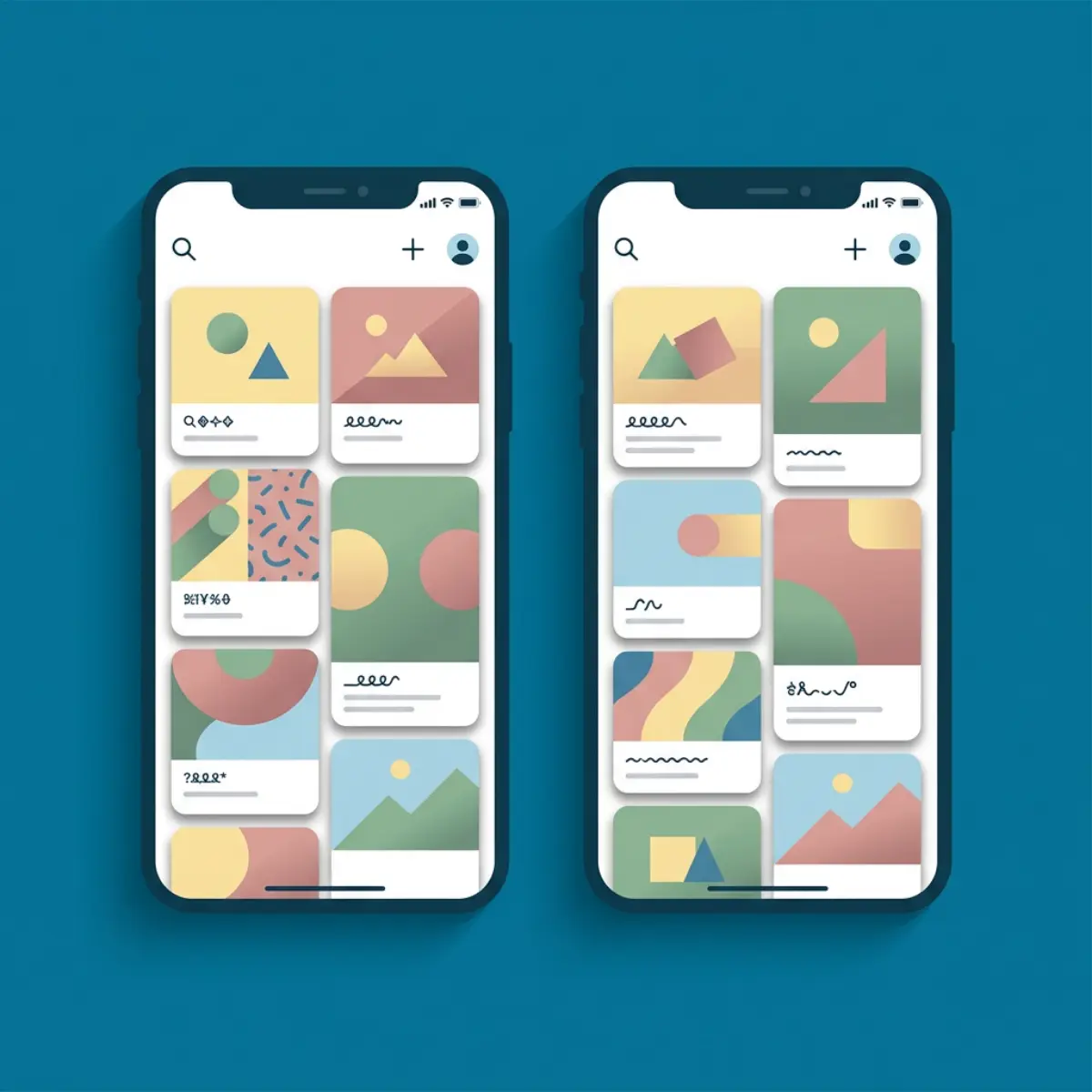
On 14 July 2026, Google unveiled one of the biggest redesigns in Google Images' 25-year history. The new interface features a "For You" gallery that displays personalised images from the web according to your interests and activity, and you can save images into themed Collections (an obvious imitation of Pinterest's boards) for individual projects, interests, or sources of inspiration.
For now, it is limited to signed-in users on desktop in the U.S. in English, with Google saying broader availability, including mobile and other regions, will follow "in the coming weeks."
If that sounds familiar, it's because Google is essentially copying that playbook by turning Google Images into a place for discovery and inspiration, and not just search, which could increase users' time spent on Google platforms, helping boost its ad revenue.
The obvious angle is that Google built a Pinterest clone. The sharper question is what this does to where your audience finds your visual content, and whether you've optimised for it.
What actually changed
Instead of presenting users with a simple grid of image results, the platform now offers a personalised, endlessly scrollable discovery feed complete with curated collections and AI-powered recommendations.
Like Pinterest, the gallery is designed for continuous browsing, with Google saying it updates in real time with new images. As users browse, they can save ideas to their "collections," which will appear as tabs above the main gallery of photos. For example, users can create collections for things like vacation outfit ideas, travel inspiration, and ways to design a reading nook, which they can come back to later.
The third addition is AI image generation. Google Images now offers AI image generation. Users can create images from prompts, view and compare them with real photos available online, and save them to Collections.
Why this matters for social media marketers
Google Images isn't a social platform, but it is now competing directly with one for dwell time, saves, and discovery behaviour. That shifts where visual content gets found.
Google Images drives 22.6% of all web search traffic, which makes it a significant discovery surface already. The difference now is that users no longer need a search query to start. For users, the pitch is fewer tabs: one search-and-create loop inside Google Search replaces the old habit of bouncing between Google Images, Pinterest and ChatGPT to visualise an idea.
For brands and creators publishing visual content (product shots, infographics, campaign imagery, before-and-afters, styling flats), this creates a second high-intent feed to optimise for, one that sits outside the walled gardens of Instagram, TikTok, and Pinterest but pulls from the open web.
Google Images did not need a redesign to survive; it has been the default way to find a picture online for a quarter of a century.
TechDogs analysis, July 2026Pinterest's feed draws on content users actively publish to the platform. Google's feed draws on the same index it already uses to rank the entire web, then layers a Pinterest-style shell on top of it. That difference in scale is what makes this significant. If your images are indexed by Google, they're now eligible to appear in a persistent, personalised feed without you publishing directly to a new platform.
What changes for your content strategy
The mechanics of image SEO haven't been rewritten, but the stakes have increased. Images that were already discoverable through search are now also eligible for passive discovery in a scrolling feed, similar to how Pinterest or Instagram Explore works.
Images account for over 30% of all Google search results page real estate, yet most SEO strategies treat image optimisation as an afterthought. Google Images now drives 22% of all web searches, and the new interface increases the surface area for that traffic.
The basics still apply: descriptive file names, keyword-rich alt text, structured data where relevant (Product, Recipe, Article schema), and image sitemaps to ensure Google can crawl and index your visuals efficiently. Google cannot rank images it has not crawled. Image sitemaps give search engines a direct path to every image on your site.
But the shift to a feed-based interface raises new considerations:
Thumbnail appeal. Your image now competes in a scrolling gallery, not just a results grid. The same principles that make a Pin or an Instagram post stop a scroll apply here.
Context and relevance. Google extracts information about the subject matter of the image from the content of the page, including captions and image titles. If the surrounding page content is thin or off-topic, the image is less likely to surface in relevant feeds.
Evergreen vs. trending. Pinterest content has a long shelf life, with pins driving traffic for months or years versus hours or days on Instagram. Google Images has historically worked the same way. The feed interface may now reward fresher imagery alongside evergreen content, though Google hasn't detailed the ranking signals for the For You gallery yet.
Visual distinctiveness. Generic stock imagery has always underperformed in search. In a feed designed for inspiration and discovery, that problem intensifies. Original, recognisable visuals will likely outperform templated or overused assets.
The Pinterest comparison (and where Google has the edge)
Pinterest hit an all-time high of 631 million monthly active users in Q1 2026 (+11% YoY). It remains the go-to platform for high-intent visual discovery, particularly in categories like home decor, fashion, weddings, and recipes. That forward-looking, purchase-adjacent intent translates to 2 to 3 times Instagram conversion for visual product categories.
Google's advantage isn't a better product experience (Pinterest is still more refined for curation). It's distribution. Google's feed draws on the same index it already uses to rank the entire web, which means any image on any indexed page is eligible. Pinterest requires users to publish natively or use the Save button. Google Images doesn't.
For marketers, that means you're not choosing between the two. You're optimising for both, with one crucial difference: Pinterest rewards native publishing and engagement. Google Images rewards being indexed, fast, and contextually relevant.
What to do now
If your brand or clients rely on visual content to drive discovery, product consideration, or traffic, here's what shifts:
- Audit your image SEO. Check whether your most important images have descriptive file names, alt text, and are included in your sitemap. If you're using a CMS, check whether images load as HTML <img> tags, not CSS backgrounds, which Google doesn't index.
- Prioritise original, high-quality imagery. Stock photos and low-resolution assets will perform worse in a feed environment. If you're publishing product images, campaign visuals, or infographics, treat them as content, not decoration.
- Add structured data where relevant. Adding Product, Recipe, or Article schema with image properties enables licensing badges, product price overlays, and recipe thumbnails directly in image search results, which increases click-through.
- Monitor Google Search Console for image performance. Google Images traffic is reported separately. If you haven't been tracking it, start. Look for images that are impressions-rich but click-poor, which indicates an optimisation opportunity.
- Don't abandon Pinterest. Pinterest has grown to 631 million monthly active users as of Q1 2026, and users treat Pinterest more as a visual search engine than a social network, 96% of top searches are unbranded, which makes it a uniquely strong discovery channel for new brands. Google Images doesn't replace that.
The longer implication
What this update signals is a company no longer content to index the web's visual inspiration and hand off the click to whoever hosts it best, Pinterest included.
The redesign turns Google Images into a destination, not a referral engine. That's the strategic move. Whether it works depends on whether users adopt the For You feed as a browsing behaviour, and whether Google can match Pinterest's curation quality at scale.
For social media marketers, the change is simpler: the web just became more important again. Instagram and TikTok are still where discovery happens for most audiences, but if your visual content lives on a website, blog, or e-commerce platform, it's now eligible for a second discovery feed without any additional publishing effort.
The question is whether you've optimised for it.