
Event marketing has a recognisable shape to it. There is a date, a venue, a speaker line-up, a series of announcements, and a steady stream of posts explaining what will happen and why it is worth buying a ticket. It is functional, and it is also the reason so much of it passes without anyone noticing.
MAD//Fest positions itself as a disruptor in the conference space, and the team behind MAD//Diaries started from the view that a boring, stuffy or overly corporate marketing output would create a genuine disconnect with that brand. If the event promises something different from the industry norm, the marketing that introduces people to it needs to promise the same thing.
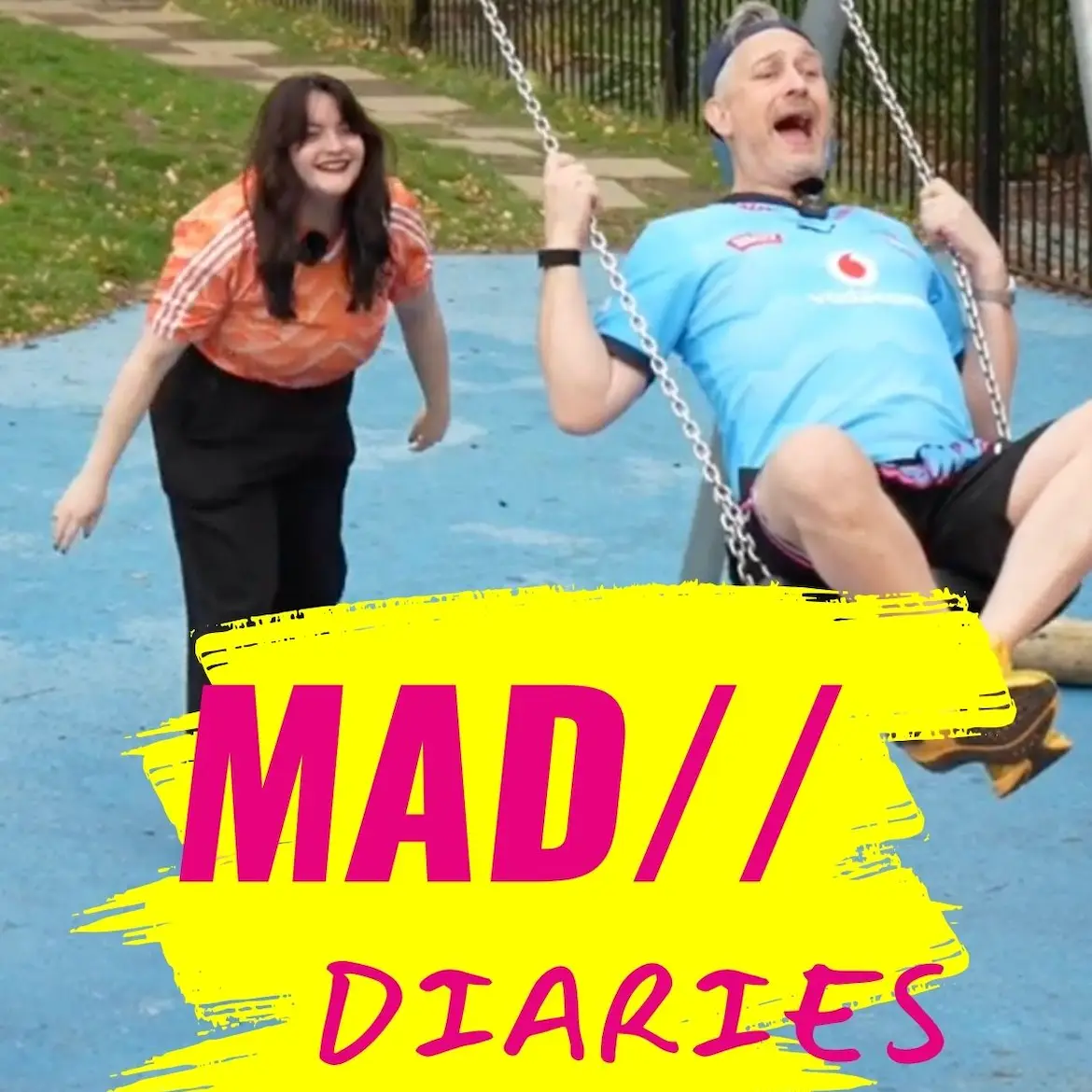
The answer was MAD//Diaries, a series of user generated videos in which the team delivers event updates and key announcements through skits and comedic editing. It is not the format anyone expects from a marketing conference, and that is precisely the point.
Working against the conventions of the category
Georgie Plant, who leads the work, describes the project as both a challenge and an opportunity in equal measure. No other event in the industry was making anything comparable, which meant there was no existing framework to work from and nothing to improve upon, but it also meant there was a real chance to cut through and to become known for the same disruptive instinct in the digital space that the event itself is known for.
The challenge the series set out to address is the clinical, matter-of-fact tone that events and conferences tend to default to in their marketing. The implicit promise of that approach is an event, a set of learning outcomes, some unforgiving lighting and a hall of unenthused exhibitors. MAD//Diaries was built to prove that a different kind of event exists, and that audiences can trust the team to deliver a good experience.
That trust has to be earned before a ticket is bought, and very few conferences use their marketing to explore the narrative or the values of the event itself. The series treats that pre-purchase stretch as the place where the relationship actually begins.
Structure first, then improvisation
The team had a lot of information to broadcast, and much of it is difficult to digest, which is simply the nature of working in events. The balance the series had to strike was making that information accessible while also making it entertaining enough that people would stay for it.
The process starts with the skeleton of the content, the point each episode needs to land, and then relies heavily on ad-libbing and on seeing what can be created while the camera is rolling. The end product is rarely what it started out as, and Plant sees that as what makes the campaign special, because it was allowed to develop and evolve through experimentation rather than being locked down in advance.
The series is deliberately not over-engineered. There are no big sets and no scripted perfection, just the team, the office, a few props and whatever happens along the way, with the performances, jokes and moments that make an episode work coming from the natural chemistry of the people in it.
Behind the camera, the operation is small. MAD//Diaries is made by a team of two, Georgie and Hugo, with cameo appearances from other members of the wider team. Both come from filmmaking backgrounds, occupying the pre-production and post-production spaces, which made the creative process considerably easier to navigate.
Proof that the risk was worth taking
The first run of videos amassed more than 15,000 views, which Georgie describes as equal parts amazing and terrifying given how many people in a professional setting had watched her commit fully to the bit. That number also became the leverage the team needed to go back and ask for more, supported by tangible results of a kind that are often hard to come by in this industry.
The lessons were partly creative and partly organisational. The team learned a great deal about their own creative ability and, more importantly, about what their audience actually wants to engage with. They also learned to advocate for themselves in order to win the initial trust of their senior leadership team that this was a worthwhile use of their time, and that good results, including the ones that cannot be measured, can follow.
The intention now is for MAD//Diaries to evolve as MAD//Fest evolves, becoming wackier and more inventive, with more collaborations of the kind recently done with Time Out Magazine and Flat White or F*ck Off. The team's wider optimism is about social media becoming an integral part of a brand's story rather than a nice to have or something handed to the most junior member of the team.
The winner of Bold Creative Format at the Social Media Marketing Awards will be announced at the awards ceremony on 8 October in London