
What Instagram Rings actually is
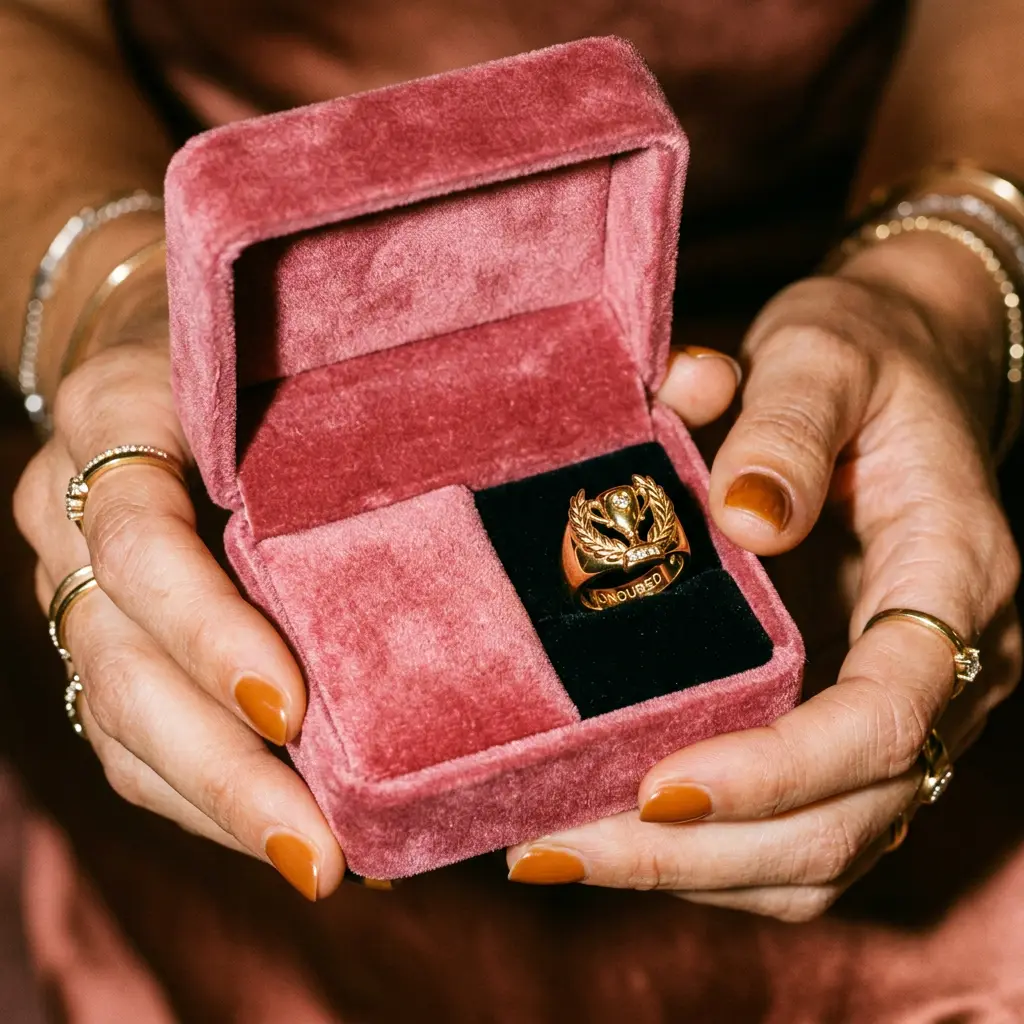
Instagram's Rings programme recognises 25 creators each year, awarding them both a physical ring designed by Grace Wales Bonner and a digital golden ring around their profile. Winners receive no monetary prize.
The award is not tied to reaching follower milestones, but instead evaluates creator impact and originality, with a judging panel including Instagram chief Adam Mosseri, filmmaker Spike Lee, designer Marc Jacobs and YouTuber Marques Brownlee. Winners also receive customisable profile backdrops and the ability to design their own Like button for a full year.
We felt that it was time to have an award that recognizes people who take these creative chances on our platform.
Eva Chen, Head of Fashion Partnerships at InstagramThe programme mirrors YouTube's play button structure, which has sent physical awards to creators since 2012. YouTube's Creator Awards programme includes four active tiers in 2026: Silver at 100,000 subscribers, Gold at 1,000,000, Diamond at 10,000,000, and Red Diamond at 100,000,000. The difference is mechanical: YouTube's system is automatic and metric-driven, while Instagram's is curated and subjective.
Why prestige matters when revenue doesn't follow
The launch comes as Meta has scaled back its creator payout programmes over the past few years, shutting down a programme that paid creators for ads placed in their profiles earlier in 2025, stopping bonuses to Reels creators on Instagram and Facebook in 2023, and closing its affiliate marketing bonuses in 2022.
Creators saw a 52% decrease in brand deals in 2024, according to a survey from Kajabi. YouTube paid out over $100 billion to creators over the last four years, setting a comparison point that makes Instagram's symbolic recognition programme read differently.
The timing is the story. Meta said it paid nearly $3 billion to creators in 2025, up 35% from the previous year, with about 60% of that total going to Reels content. That sounds substantial until set against YouTube paying over $100 billion in the past four years or TikTok allowing US and Canadian creators to retain up to 90% of subscription revenue from superfans.
Instagram is competing for talent without competing on direct revenue share. Rings becomes the counter-offer: not money, but status. Whether that trade holds value depends on what status can be converted into, and our breakdown of how Instagram's algorithm now rewards single-take content suggests the platform is simultaneously pushing creators towards lower production costs while removing financial upside.
What this means for creators building on Instagram
The 25 recipients gain profile visibility and a designed object they can hold, which matters more than it sounds. Physical awards function as social proof in pitch decks, speaker bios, and brand negotiations. The golden ring around Stories acts as an in-platform verification layer separate from the blue tick, signalling creative credibility rather than identity or scale.
But visibility in the app may boost recipients' profiles, but it's not a guarantee that Rings translates into more audience, engagement or brand opportunities. The value sits entirely in what the market decides the award means. If brands begin requesting "Ring winners only" in briefs, it accrues commercial power. If they don't, it remains a trophy.
For the other three billion monthly users on the platform, Rings sets a ceiling most will never touch. Instagram recognises 25 users each year, which makes it more exclusive than almost any creator programme running. YouTube's Silver Play Button, by comparison, has been awarded to over 300,000 channels. Rings is not an aspirational milestone programme. It's closer to an honour, and honours don't pay rent.
The structural problem remains: for most Western creators, Instagram remains the stronger monetisation platform compared to TikTok in 2026, but that strength comes from brand deals and affiliate income, not platform payments. Instagram has added Subscriptions and Gifts, but in-platform RPMs typically range from $0.10 to $3 per 1,000 views, well below YouTube's long-form rates.
Creators are building audiences on a platform that rewards reach but doesn't systematically share revenue the way its competitors do. Rings doesn't solve that. It acknowledges creative contribution without compensating it, which is a coherent position only if you believe recognition converts reliably into income elsewhere.
The YouTube comparison and what Instagram avoids
YouTube's play button programme works because it sits inside an established revenue-share model. Creators know exactly what subscriber growth translates into financially: long-form RPM across 274 monetised channels runs $1.79 to $18.23 by niche, against $0.40 to $1.20 per 1,000 qualified views on the TikTok Creator Rewards Programme and $0 per view on Instagram.
The play button becomes a milestone marker within a system that already pays consistently. Rings is a milestone marker within a system that pays inconsistently, selectively, and less. That asymmetry makes the programmes structurally different even if the physical award format is similar.
Instagram has chosen to formalise creator recognition without formalising creator revenue. The question social teams should ask is whether that model remains sustainable as multi-platform creators report 3.5 times more stable monthly income than single-platform counterparts and the financial advantage of diversification becomes clearer.
What social marketers should watch
Rings establishes Instagram's position: the platform will celebrate culture-shifting work but will not build revenue infrastructure comparable to YouTube's Partner Program. That clarity matters for anyone planning where to invest production resource and exclusive content.
Watch whether Ring status begins appearing in influencer media kits and whether brands assign it commercial weight in rate negotiations. If it does, Instagram has successfully created a scarcity-based status layer that functions as a sorting mechanism. If it doesn't, the programme becomes a footnote.
The broader shift, visible across Instagram's move into the living room with horizontal video and cuts to reach for undisclosed AI profiles, is a platform defining what it will and won't do. Rings is part of that boundary work. Instagram will recognise you. It will not, as policy, pay you the way YouTube does.
For social marketers working with creators, this matters in two directions. First, Instagram-native creators increasingly need revenue to come from brand partnerships rather than platform payments, which shifts negotiating dynamics and makes direct sponsorship more critical. Second, the lack of systematic revenue share means creators with leverage will continue moving video content to YouTube and TikTok while treating Instagram as a discovery and relationship layer.
Recognition programmes like Rings don't reverse that. They acknowledge it.