
The feature nobody asked for
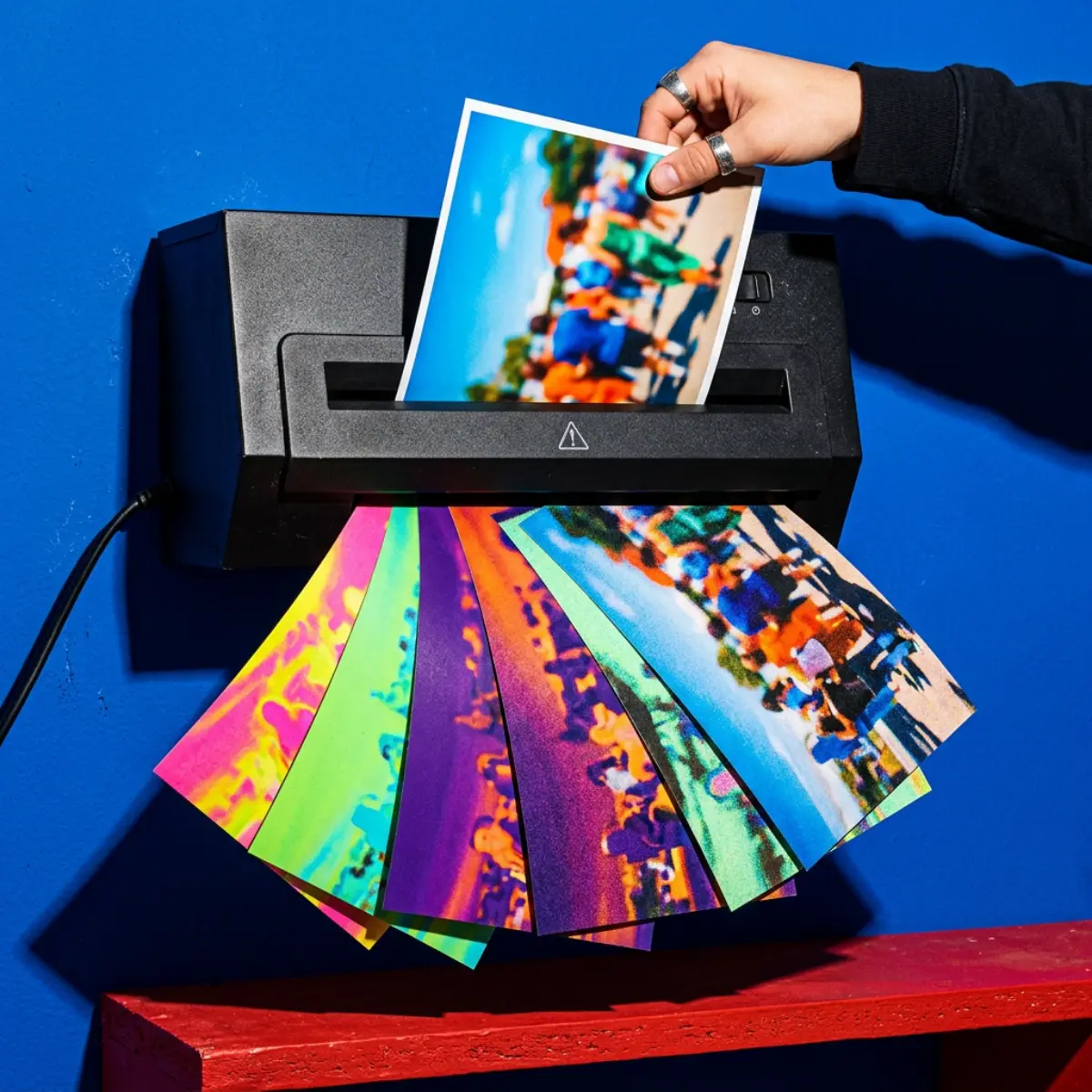
Meta launched its Muse Image AI generator on 7 July 2026, letting users tag public Instagram accounts to generate AI images using those profiles' photos. Users won't be notified when their content is used to create AI images, and anyone can @-mention a public username in a Muse prompt and Meta AI will pull those photos as visual references, with users opted in by default.
Muse Image is Meta's first image-focused AI model from its Superintelligence Labs, rolling out across Instagram, WhatsApp, and the Meta AI app, with Facebook and Messenger to follow. The company frames it as a productivity tool: tagging a username lets Meta AI use public photos to build visuals for event invitations, collaborative creative concepts, or personalised graphics.
The backlash was immediate. Meta received criticism for automatically opting users into the programme, and the phrase "opt-out by default" captures what matters. This isn't AI training happening behind the scenes. This is a live generation tool where strangers can conscript your face into their prompts right now.
What it means for anyone running a public account
If you run a brand, a creator account, or a professional Instagram presence and your account is public, Muse Image's default-on reuse setting is a live reputational risk. Someone else's AI invitation can put your likeness somewhere you never agreed to be, and you won't know it happened.
Generated images can depict users in situations they did not agree to share. This can include your face, your likeness, and other people who appear in your photos, including children. Users testing the feature reported it works with everyday personal profiles, not just public figures, with one example showing two friends having coffee generated in less than a minute using photos from both users' public profiles.
The tool is live in the US now, with plans to expand to Facebook, Messenger, and for advertisers through Meta Advantage+ creative in coming weeks. That advertising integration is the tell. This isn't a novelty feature. It's infrastructure.
The safeguards are minimal
Meta stated that private accounts and those belonging to users under 18 are automatically excluded, with adult users with public accounts able to opt out. Some celebrity profiles are also blocked, likely due to rights considerations.
But the protections are narrow. Private accounts are not completely protected, as photos shared with mutual followers or reposted publicly can still be used by others in their own image generation workflows. And if you're a working creator with a public presence, going private isn't an option. Discoverability is the trade.
Meta said Muse Image has built-in safety guardrails designed to block content that violates its guidelines, but those guardrails govern what gets made, not whether your photos get pulled in the first place. You can report violations after the fact, but by then the image exists.
How to opt out (and what it doesn't fix)
To opt out, open Instagram, tap your profile, then the three-lines menu, go to Sharing and reuse, and toggle off both Posts and Reels under "Allow people to use your content on Instagram and with AI features on Meta". The wording may vary depending on your app version, and the feature is still rolling out, starting in the US, so you may not see the setting yet.
The critical limitation: it only blocks future generations. Anything already made stays live. Meta notes in its help pages that opting out will not remove any previous remixes made from your photos.
That design choice matters. If someone generated images of you in the first 48 hours after launch, disabling the toggle today does nothing about those. It only closes the door going forward. For a professional account, that's not a fix. It's damage limitation.
Testing showed that turning off the setting effectively prevents Meta AI from generating images with your profile, with attempts refused and a message indicating the system does not have the rights.
The pattern, not the tool
The development comes as tech companies increasingly embed AI into their products, making them opt-out rather than opt-in by default, as a way to improve AI services. Meta told the world that any public Instagram profile is fair training input for anyone, without notice, without visible marks, and without meaningful consent.
This is not the same as using public posts to train a model behind the scenes. Training is passive. Generation is active, and it happens in someone else's hands. The product shipped this week lets strangers pull your photos into their creative process without asking, and the default assumption is that you're fine with it unless you say otherwise.
Muse's photo-tagging feature, which is opt-out by default, fits a pattern users and regulators have flagged before: broad use of people's data unless they actively turn it off. Meta's history includes a then-record $5 billion fine to the FTC in 2019 after regulators found that Cambridge Analytica had improperly harvested data from tens of millions of Facebook users to build voter-targeting profiles.
The talent agency CAA put out a statement within 48 hours of launch. According to reports, the agency called out Meta for making the tool opt-out, stating that no one's name, image, likeness, or creative work should be used by any third party, including AI models, without clear, documented consent.
What to do now
If your account is public, disable the setting today. Do it before you finish this piece. The four-tap path is non-obvious by design, and every day it stays on is another day someone can use your photos without your knowledge.
If you're a brand or creator, decide whether a public Instagram presence is still the safer default. The trade-off between discoverability and consent has shifted. A private account plus a portfolio site under your own domain may be the better choice for some.
If you distribute editorial or commissioned work through Instagram, add explicit AI-use terms to delivery contracts. "No AI training, no likeness reuse, no derivative generation" is becoming standard practice, and this launch is why.
The broader point: platforms that used to be neutral publishers of user work are quietly converting that work into raw material for generative AI, and the burden of opting out sits on the person whose photos are being reused. That's not an accident. It's policy.