
One-off brand deals still dominate influencer marketing despite industry's long-term partnership talk
Despite growing conversations around long-term creator relationships, one-off collaborations still dominate across every major platform, according to the Brand Deals Report 2026 published in May by The Influencer Marketing Factory and Modash.
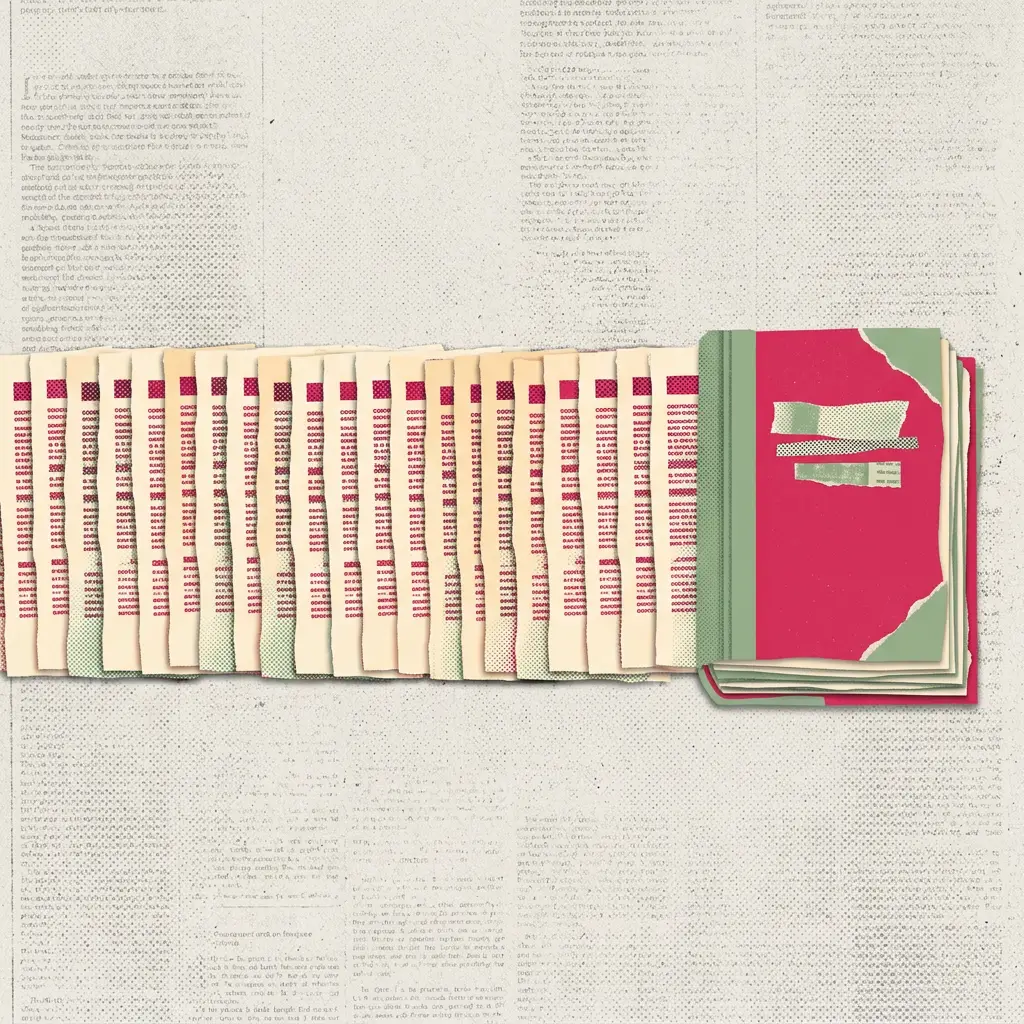
An average of 63% of brand-influencer relationships in the US dataset are one-off. Break that down by platform and the picture gets sharper: TikTok has the most one-off brand partnerships at 71.8%, followed by Instagram at 68.5% and YouTube at 49.1%.
The research analysed sponsored content activity across Instagram, TikTok and YouTube, covering 2,341 Instagram creators (105,939 promoted posts), 3,156 TikTok creators (90,434 promoted posts) and 2,360 YouTube creators (120,019 promoted posts), all US-based with predominantly English-language content.
The findings expose a structural problem. Brands have spent years claiming they want sustained relationships with creators. Budget allocation tells a different story.
Why the disconnect matters for performance
63% of brand-creator relationships are one-off deals, but the repeated collabs instil more audience trust and display stronger commercial signals, according to the report's analysis.
Alessandro Bogliari, CEO of The Influencer Marketing Factory, said: "Single-post deals optimise for reach in a vacuum. They underweigh what actually compounds: influencer familiarity with the brand, audience recognition, narrative continuity, and the cumulative authority that turns a sponsored post into a recommendation people remember."
The performance gap is measurable. Long-term creator partnerships deliver 70% higher engagement than one-off collaborations, according to data from Archive App. Conversion rates are 2 to 3 times higher when a partnership is ongoing rather than one-time, according to research compiled by TLO Production.
Yet most marketing teams are still structuring budgets as if a sponsored post is the unit of value rather than the relationship itself. That's not an oversight. It's how procurement, approval workflows and campaign calendars are built. One-off deals are administratively simpler. They're easier to greenlight in a budget meeting. The approval window is shorter. The liability is contained.
The efficiency trade-off is real, though. A single post, no matter how well targeted, rarely survives the algorithm long enough to compound, and platforms like Instagram and TikTok now favour accounts with consistent posting cadence, which means a lone sponsored post from a creator gets a fraction of the reach it would have had five years ago.
Single-post deals optimise for reach in a vacuum. They underweigh what actually compounds.
Alessandro Bogliari, CEO, The Influencer Marketing FactoryYouTube is the outlier (and it shows in the structure)
YouTube is the only platform where repeat collaborations account for more than half of all deals. YouTube averages 13.5-month brand partnerships with a 50.9% repeat rate, compared to TikTok, which averages just 4.9 months, with 72% of relationships ending after one collab.
Part of that difference is structural. Affiliate deals are the most common collaboration type on YouTube at 52.9%, versus flat-fee paid deals that dominate Instagram and TikTok. Commission-based models align creator and brand incentives over time. Flat fees don't.
Nearly 20% of YouTube posts measured were part of long-running brand ambassadorships, compared to TikTok, where more than 71% of measured posts were one-offs and fewer than 3% were part of ambassadorships.
The implication for social media professionals is clear: if your brief demands sustained creator relationships but your budget line says "one-off activation", the campaign structure will override the strategy every time. YouTube's longer partnership lengths aren't a platform culture difference. They're a payment model difference that makes retention structurally easier to justify and track.
That's relevant for how to evaluate influencer marketing software, where tracking repeat partnerships and lifetime creator value should be table stakes but often isn't.
The budget conversation brands aren't having
44.9% of creators value stability, consistency and deeper brand alignment over one-off campaigns, according to the Influencer Marketing Factory's 2026 Creator Economy Report. 71% of creators offer discounts for longer-term partnerships, according to Social Native, because ongoing relationships produce better alignment and more predictable income.
Brands are leaving money on the table by structuring every deal as if they're starting from zero trust. Every campaign starts from zero: zero trust, zero context, zero compounding audience familiarity. When every campaign starts a relationship from scratch, brands are paying acquisition costs on every single post, forever.
The maths shifts when you factor in repeat collaboration rates. A creator who posts about your brand three times over six months isn't three times the cost of a one-off deal. 71% of creators offer discounts for longer-term partnerships, and the per-post cost drops when volume and predictability increase.
But that requires a different budgeting conversation. Most influencer budgets are approved campaign by campaign, not by creator roster or annual relationship value. That's a structural barrier to retention that no amount of strategy deck enthusiasm will fix.
If your organisation is still approving influencer spend on a per-campaign basis, the data says you're structurally locked into one-off deals regardless of what your strategy says you want. YouTube trains creators to negotiate brand deals as platforms race to formalise creator commerce, but brands haven't caught up with budget structures that make those multi-quarter partnerships financially viable to approve internally.
What changes if you design for retention instead
The straightforward fix is moving from campaign budgets to creator account budgets. Instead of approving £5,000 for a product launch activation, approve £15,000 for a six-month relationship with three creators, structured as a monthly retainer or a per-post rate with a minimum commitment.
That's not a radical idea. Long-term influencer contracts increased 28% compared to short-term one-off deals in 2025, according to MarkHub24 research from May 2026. 70% of brands seeing real success now prioritise ongoing creator partnerships over transactional placements, according to Later Media's 2025 State of Influencer Marketing Report.
But "70% of successful brands" means 70% of the ones who've already solved the budget and approval problem. For everyone else, the default is still one-off deals because that's what finance will sign off on and what the quarterly campaign calendar accommodates.
The operational shift required is small but non-negotiable. You need a different contract template, a different approval threshold and a different success metric. One-off deals are measured on immediate reach and engagement. Retained relationships should be measured on cost per engagement trend over time, repeat purchase rate among the creator's audience and total content output per pound spent across the relationship window.
Platforms are already designing for this. Meta Creator Marketplace now surfaces intent over follower count, reshaping how brands should brief influencer campaigns around sustained match quality rather than one-time reach. The infrastructure is there. Budget structures haven't caught up.
Where the UK/US market is versus where others already are
This is a US data set, but the UK market mirrors it. One-off deals dominate because approval cycles, legal review and campaign planning all assume short-term activation windows. Other markets have moved faster. Brands in parts of Asia and Latin America running high-frequency, lower-budget creator programmes have retention rates meaningfully higher than the 37% repeat average in this report, largely because they've structured budgets around always-on creator rosters rather than episodic campaigns.
The lesson isn't "copy what works elsewhere". It's that the bottleneck isn't creative strategy or creator availability. It's how budgets get approved, how contracts get written and how success gets reported upward.
If you're a Head of Social stuck explaining why your one-off influencer campaigns underperform, this is the data that explains why. The structure is the strategy. Until budget approvals shift from campaign-based to relationship-based, the 63% one-off average won't move.