
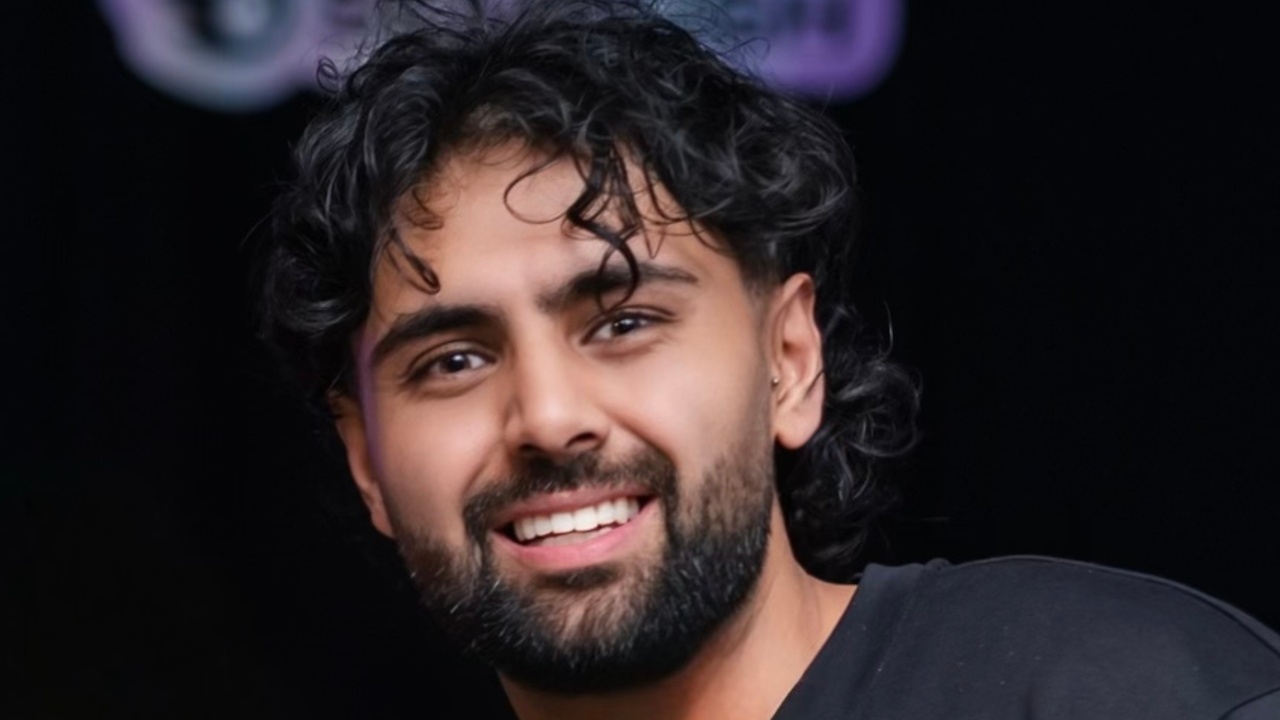
A social campaign can create demand without making the brand any easier to find. That gap was the central challenge in Ray Saddiq's opening Social Media Marketing Festival 2026 session, Search Insight: The Invisible Signals Driving Modern Marketing.
Saddiq, from Rise at Seven, argued that social teams need a closer relationship with search specialists. Not because every post should become an SEO exercise, but because the questions people type into search bars can reveal needs that public posts, likes and surveys do not fully explain.
For social media managers, the practical opportunity is to build content that works twice: first as something people want to watch or share, then as a useful answer when someone actively looks for help.
Social listening tells only part of the story
Public engagement and active searching are different behaviours. A person can enjoy a brand's posts without considering a purchase. Equally, someone can research a difficult or private problem without ever discussing it on their own social account.
Saddiq's point was that search data adds another perspective to audience research. It can show the wording people use, the questions they ask and the platforms they choose when seeking an answer. He described this as looking for human intent rather than simply collecting more data.
That does not make a search query a complete explanation of someone's motives. The useful editorial distinction is between a signal and a certainty: search patterns can sharpen a brief, but they still need interpretation alongside customer research, service enquiries and social listening.
Start with the problem, not just the product keyword
One of Saddiq's clearest observations was: "People search in problems."
A brand might organise its marketing around a product category, while a potential customer starts with a frustration, a question or a situation. Content that speaks only in the brand's preferred language risks missing that earlier moment.
In the session, Saddiq described building a platform-by-platform picture of those questions with an SEO team. The resulting research could guide topics, formats and channel priorities, rather than treating Google as the only place where discovery happens.
The takeaway is not to abandon keywords. It is to understand the need behind them. Before commissioning another creator video, ask what the audience is trying to solve and what a genuinely helpful answer would look like.
Connect the campaign to somewhere demand can land
Rise at Seven's demand-and-discovery framework connects two jobs that organisations often separate: generating interest and being visible when people act on that interest.
Saddiq illustrated the risk with an account of a John Lewis Christmas advert featuring a piano. In his telling, the advert prompted searches, but another retailer was positioned to capture that interest. The example was presented in the talk, rather than independently verified for this write-up, but the strategic question is useful: who benefits when a campaign sends people searching?
For a social team, a practical check is to look beyond the post itself. Does the relevant product or category page exist? Does its wording match the audience's questions? Can someone find the brand on the platforms where they continue their research?
A strong creative idea and a discoverable destination should support each other. Otherwise, awareness can become an opportunity for a competitor.
Brief creators with search insight, without losing the story
In the audience Q&A, Saddiq explained how search intent and a natural content format could work together. His example paired a running-shoe consideration query with a London Marathon vlog: a recognisable story that could also answer a specific question.
This is a more useful approach than asking a creator to repeat a keyword mechanically. The brief needs an audience problem, an appropriate point in the decision journey and a format the creator can make convincingly.
Saddiq also described coordinating creator activity with search visibility and product availability. The implication for campaign planning is straightforward: speak to the SEO and product teams before generating demand, not only when reporting the results.
A search-informed creator brief should still follow clear disclosure and responsible practice. The Social Media Marketing Code of Ethics provides a wider framework for that work.
Make room for content with a longer useful life
Saddiq called this approach "slow content": material designed to remain useful when people search, rather than relying entirely on its initial feed performance.
His holiday-brand example connected different parts of a planning journey, from sharing ideas with friends to looking for activities and itineraries. Each stage called for a different format and destination, while serving the same underlying decision.
The point is not that every video will keep attracting viewers indefinitely. Search-led content still needs to be accurate, relevant and maintained. But it gives teams a reason to judge some work beyond its first burst of engagement, particularly when questions return seasonally.
That can sit alongside reactive posts and everyday brand content. It is an additional strand of the strategy, not a demand to turn the entire feed into a searchable help centre.
A useful starting point for the next planning meeting
The following checklist is The Sauce's practical synthesis of Saddiq's session:
- Bring the teams together. Share audience research and recurring customer questions with search, social and PR colleagues.
- Choose one real problem. Identify the language people use and where they look for answers.
- Check the destination. Confirm that the brand can be found when interest turns into research or purchase intent.
- Build the right creative format. Use the search insight to improve the story, not replace it.
- Review beyond launch. Look for continued discovery and useful audience actions alongside the initial engagement.
The strongest lesson from the talk is organisational as much as creative. Search insight becomes more valuable when it reaches the people shaping campaigns, and social creativity becomes more commercially useful when interested audiences can find their next step.
Watch Ray Saddiq's full Festival session
Watch Search Insight: The Invisible Signals Driving Modern Marketing on The Sauce for the full presentation and audience Q&A. Sign in to access the replay.
Source: Ray Saddiq, Rise at Seven, speaking at Social Media Marketing Festival 2026. This write-up is based on the supplied session transcript, with original analysis by The Sauce. Original session recording. Case studies are attributed to the presentation; unverified numerical claims have not been repeated.