
Snapchat turns Snap Map into a music discovery engine with real-time Spotify sharing
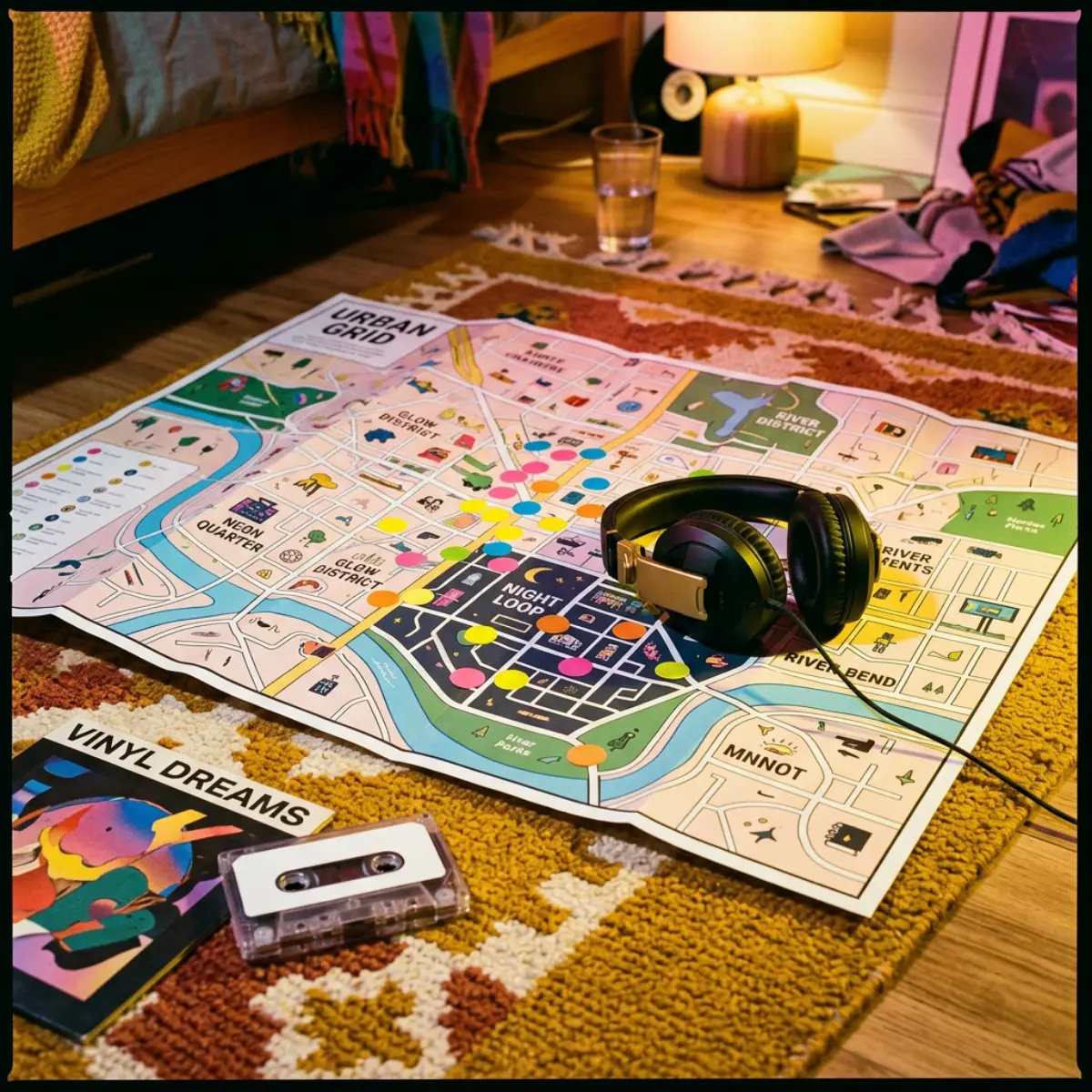
Snapchat launched "Now Playing" on July 27, 2026, letting users link their Spotify accounts and share what they're currently listening to via Snap Map in real time. Snap Map already reaches more than 450 million people each month, and now every one of them can broadcast their current track alongside their location.
The feature starts with Spotify, though Snap says support for other services may come later. Users can choose who can see their listening activity, and the feature won't show last-played songs or listening history, though sharing will remain active as long as you have opened Snapchat within the past 24 hours.
Why this matters for social marketers
The obvious read is music discovery, but the sharper angle is what listening activity reveals that location alone doesn't. Location tells you someone is at a coffee shop; listening activity tells you whether they are deep in work mode or spiraling through a breakup playlist.
For brands, that's a new layer of context. Snapchat has been positioning itself around intimate, close-friend communication rather than broadcast feeds. Adding what someone is listening to right now feeds that intimacy while giving creators and brands a passive signal to work with. The user isn't posting about the track. They're just letting it show. That difference matters.
The feature has been integrated with Spotlight videos, Snapchat's TikTok-like short-form videos, too: you can save any songs you discover in a Spotlight video directly to Spotify, or visit the track's page on the platform to do so. That closes the loop from discovery to library in one tap, which removes friction from the typical "heard it, forgot it, never found it again" cycle.
Music is one of the most personal ways people express themselves, and it becomes even more meaningful when it brings friends closer.
Manny Adler, Snapchat Head of MusicWhat sets this apart from Instagram Notes and Spotify's own features
Instagram's Notes feature lets users post a short "now listening" status at the top of direct message inboxes, which is more explicitly deliberate than Now Playing and visible only within DMs. Snapchat's version is passive and tied to the map, not to a message thread. You're not announcing your taste. You're just existing with it.
Spotify itself launched a listening activity feature to Messages in January 2026 that shows friends what is playing in real time, and by early 2026, nearly 40 million users had sent roughly 340 million messages through Spotify's in-app system. But Spotify doesn't own the social graph where younger users are hanging out. Snapchat does, at least for a big chunk of Gen Z.
TikTok's discovery is primarily feed-driven and algorithmically surfaced, the signal travels outward from content to audience. Instagram's Notes feature lets users post a short "now listening" status at the top of direct message inboxes, which is more explicitly deliberate than Now Playing and visible only within DMs. Snapchat's delivery mechanism is architecturally distinct: it layers music onto location, and it's opt-in but persistent.
The creator and brand opportunity (if there is one)
Music has been a social media engagement lever for years, but most of that energy lives on TikTok, where a viral sound can move a song up the charts overnight. Snapchat's version is quieter. There's no feed to dominate, no algorithm to game with a trending audio clip. Instead, it's about making listening part of your shared identity within your existing circle.
Snap Map's 'Now Playing' feature leans in to an interesting trend: making music-streaming a performative thing. Not in a bad way: it's an extension of the way people express their identity. 'I'm playing this song, in this place, and by the way this is my painstakingly-designed digital avatar for you to see'.
For artists and labels, there may be a new challenge to get tracks trending on Snap Map in tastemaker hotspots. If a song starts showing up on the maps of influential friend groups in certain cities, that becomes a signal worth tracking. It's not the same as TikTok virality, but it's a different kind of social proof: not "this is everywhere," but "people I know are listening to this right now."
Brands could theoretically build campaigns around location-triggered playlist moments or sponsor AR lenses tied to specific tracks, though Snapchat hasn't announced any formal ad products linked to Now Playing yet. The platform has been investing heavily in creator tools and commerce features. Creator ads are watched longer and drive more active attention than standard ads because they feel native to the experience. In fact, on Snapchat, creator ads are played 25% longer and drive 16% more active attention than standard branding ads. If music becomes part of that creator storytelling toolkit, it's another surface for branded content to feel organic.
The bigger pattern: social platforms are weaponising music as engagement fuel
Social platforms weaponise music as engagement fuel. Instagram has Notes. TikTok turns viral sounds into chart-toppers. Spotify launched in-app direct messaging in August 2025, and in January 2026 added a listening activity feature to Messages that shows friends what is playing in real time. Now Snapchat is claiming its own territory by making your current track part of your shared social identity.
The common thread is that music is becoming ambient social data. Not something you actively post about, but something that's just there, part of the feed or the map or the status bar. For marketers, that means music is shifting from a content asset (use this sound in your video) to a context signal (this person is listening to this type of thing right now, in this place, and their friends can see it).
The unanswered question is whether passive sharing generates the kind of engagement Snapchat needs to keep people opening the app 30 to 40 times a day. Seeing that a friend is listening to a specific song could spark a conversation or a playlist swap. Or it could just become more data people scroll past. The feature is live globally now, so we'll find out soon enough whether ambient music discovery has real pull or if it's just another layer of social performance that doesn't change behaviour.
What to do about it
If you're running social for a music-adjacent brand, an artist, or a creator with a Gen Z audience:
Track where your music shows up. If Snapchat starts surfacing listening data in any public or aggregated way (which isn't confirmed yet but seems inevitable), you'll want to know whether your tracks are clustering in certain locations or demographics. That's targeting data you can't get from Spotify alone.
Test music as a signal, not just content. Most brands treat music as a content layer: pick a trending sound, use it in a video, hope it performs. This feature suggests music can also function as a passive identity marker. If you're building creator partnerships, think about whether their listening habits (not just their content) align with your brand.
Don't force it. The worst version of this is brands trying to engineer "playlist moments" or astroturfing listening activity. Snapchat's strength is intimacy. If a campaign feels like it's trying to game that, it'll read as inauthentic immediately.
Watch for ad products. Snapchat will almost certainly build monetisation around this feature. When they do, the brands that already understand how their audience uses music on the platform will have a head start.
The real test is whether anyone outside the music industry finds this genuinely useful or if it just becomes more social media clutter. Snapchat is betting on the former. The platform has been losing ground to TikTok and Instagram in creator momentum, and music is one of the few remaining areas where it can still move early and claim differentiated territory. Whether that bet pays off depends on whether showing your friends what you're listening to actually makes them care.