
TikTok splits inbox into Personal and Professional as creators professionalise
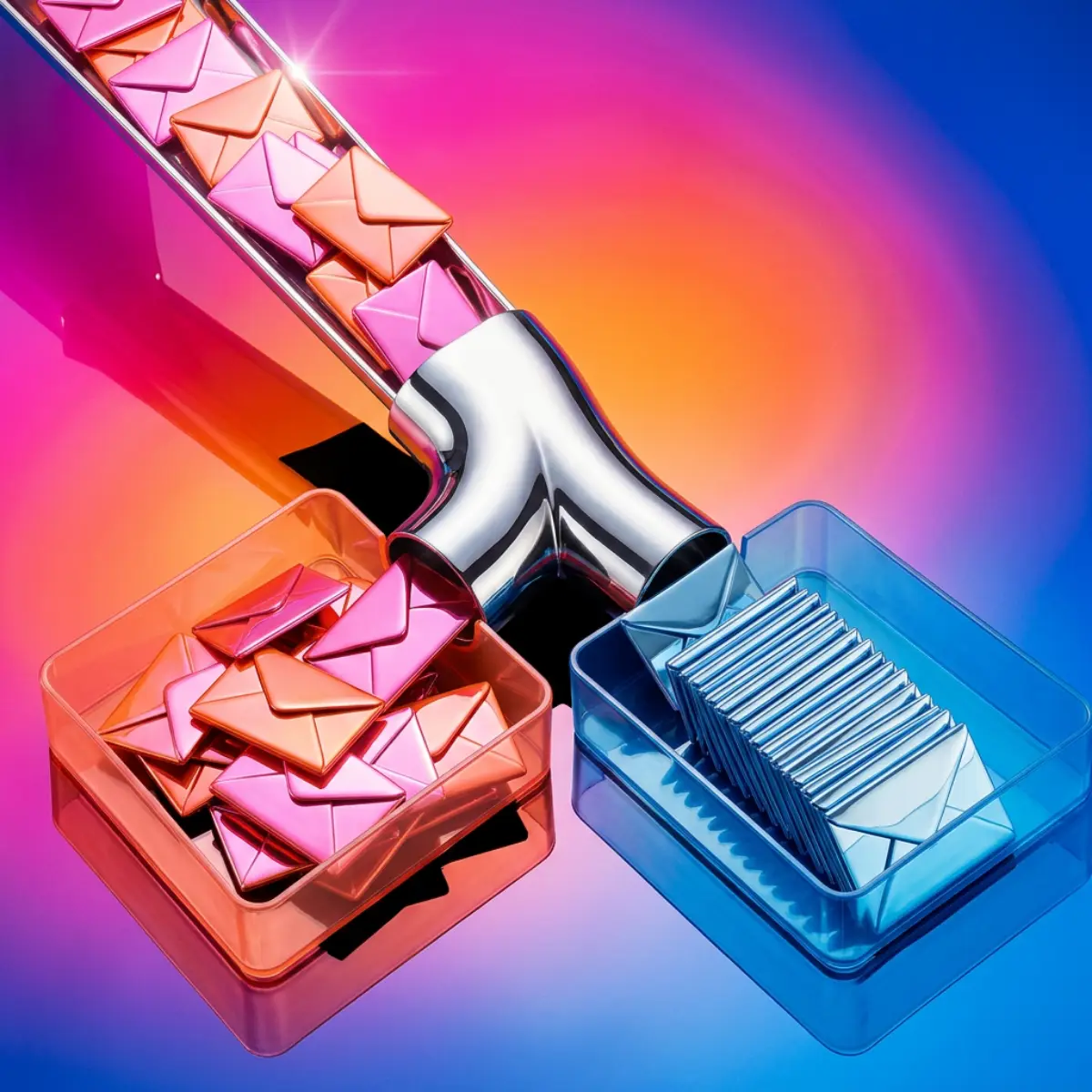
TikTok has rolled out an upgraded inbox with two options: Personal, for chatting with friends, and Professional, which lets users engage followers, organise chats with labels, and access advanced messaging tools.
The update, which began rolling out in July 2026, is less about feature iteration and more about platform philosophy. TikTok is formalising what was already happening organically: creators are businesses now, and their DMs are where deals get done, not just banter.
For social media marketers and anyone managing a creator presence, the Professional inbox is the interesting half. It treats your messages the way LinkedIn or an email client would: as conversations that need structure, follow-up, and workflow.
What the Professional inbox actually does
The Professional inbox allows creators to engage followers, organise chats with labels, and access advanced messaging tools. While TikTok has not publicly detailed every feature in the Professional suite, the inclusion of labels and "advanced messaging tools" points to functionality most platforms reserve for business accounts or third-party management tools.
Labels let you tag conversations by type (brand enquiry, collaboration pitch, customer support, fan message) so high-value threads don't disappear into the noise. For creators juggling sponsorship negotiations, affiliate partnerships, and community management in the same inbox, that organisational layer isn't cosmetic. It's operational.
The split also suggests TikTok is preparing the ground for features it hasn't announced yet. Business messaging APIs, automated responses, read receipts, priority filtering, even integration with TikTok Shop customer service? All plausible next steps once the two-inbox structure is established.
Messaging-as-sales-channel is proven on other platforms. LinkedIn messaging achieves reply rates as high as 50% compared to just 0.5% for cold emails, but its native inbox lacks prioritisation and organisation. Instagram has leaned into DM automation and comment-to-DM workflows to convert engagement into transactions. TikTok arriving late to structured messaging means it can learn from those precedents, and the timing aligns with its broader commerce and creator monetisation push.
Why TikTok is doing this now
This isn't TikTok catching up. It's TikTok drawing a line. The Personal/Professional split mirrors how LinkedIn and Instagram segment communication, but the context on TikTok is different. Creators on TikTok aren't just posting for reach anymore. They're running TikTok Shop affiliates, negotiating brand integrations, managing community memberships, and fielding business enquiries, all in an inbox that until now treated every message the same way.
The shift comes as creators separate personal and brand content, with TikTok's advertising tools reaching a potential 2.21 billion adults globally as of mid-2026, excluding India. That's not a hobby platform. That's infrastructure.
Professionalisation has been creeping into creator behaviour for years, but platforms have been slower to institutionalise it. TikTok adding a Professional inbox is the platform admitting what's already true: for a meaningful segment of its user base, TikTok is work.
The creator economy has matured dramatically. In 2026, tool selection directly impacts your earning potential.
InfluenceFlow, TikTok Content Creation Tools 2026 GuideWhat it means for brands and agencies
If you're a brand working with TikTok creators, this update should change how you brief outreach. Creators with a Professional inbox now have a clear signal that brand messages belong in a different workflow from personal DMs. That's a good thing. It reduces the chance your pitch gets buried under fan messages or forgotten because it wasn't tagged.
It also raises expectations. A Professional inbox implies professional communication norms. Creators can now organise, prioritise, and follow up systematically. If your outreach is generic, slow, or unclear, it will stand out for the wrong reasons.
For agencies managing multiple creator relationships, the labels and organisational tools in the Professional inbox could streamline collaboration, but only if creators adopt them consistently. The risk is fragmentation: some creators use it, others don't, and you're still managing a patchwork of communication styles.
The bigger implication is strategic. TikTok is signalling that it views creators as business entities, not just content suppliers. That has consequences for how the platform develops monetisation features, how it moderates commercial activity, and how it positions itself against YouTube, Instagram, and emerging competitors.
The creator-as-business infrastructure gap
One detail worth noting: TikTok does not provide third-party tools with an API to send or receive DMs, so the comment-to-DM and keyword-trigger automations available on Instagram are not available on TikTok as of May 2026.
That's a significant limitation. Instagram's DM automation, powered by its official API, has become core to how creators and e-commerce brands convert engagement into sales. Tools like CreatorFlow let followers comment a keyword and receive a product link instantly via DM, converting at three to five times higher rates than link-in-bio clicks.
TikTok's Professional inbox improves manual workflow, but without API access for automation, it's still a long way from the conversion infrastructure Instagram and even LinkedIn offer. If TikTok opens that up, it changes the game. Until then, Professional inbox features are helpful, but not transformational.
Where this goes next
The two-inbox model is a foundation, not a finished product. Watch for:
Business Messaging API. If TikTok wants creators and brands to treat the Professional inbox seriously, it needs to let them integrate it with CRMs, customer service platforms, and marketing automation tools. Instagram and WhatsApp did this years ago. TikTok is overdue.
Integration with TikTok Shop. Customer enquiries, order updates, and post-purchase support all belong in a structured inbox. If TikTok Shop scales, the Professional inbox becomes customer service infrastructure, not just a creator tool.
Monetisation tied to inbox activity. Could TikTok gate certain Professional inbox features behind creator fund tiers, or offer premium messaging tools as part of a subscription? Possible, and consistent with how other platforms monetise business functionality.
Automated responses and chatbots. If TikTok is serious about professionalising creator communication, it will need to let creators automate FAQs, away messages, and lead qualification. Manual-only messaging doesn't scale.
The other thing to watch is adoption. Rolling out a feature and getting creators to use it properly are different problems. If the Professional inbox becomes another ignored toggle in settings, it won't matter how well designed it is. TikTok will need to actively educate creators on why and how to use it, ideally with case studies showing business impact.
The deeper read
TikTok splitting its inbox isn't a feature launch. It's a positioning statement. The platform is formalising the shift from entertainment app to economic infrastructure, and doing it at a moment when regulatory scrutiny, competition from YouTube Shorts and Instagram Reels, and internal pressure to prove monetisation all demand clarity about what TikTok is for.
For creators, it's validation. Your work is real work, and the tools should reflect that. For brands, it's a prompt to treat TikTok creator partnerships with the same operational rigour you'd apply to any other B2B relationship. And for the industry, it's another data point in the long, irreversible trend: the creator economy isn't a side hustle anymore. It's a sector, and it's building the plumbing to match.