
Chanel Beauty used Substack writers to launch a fragrance, proving long-form can sell what you can't smell online
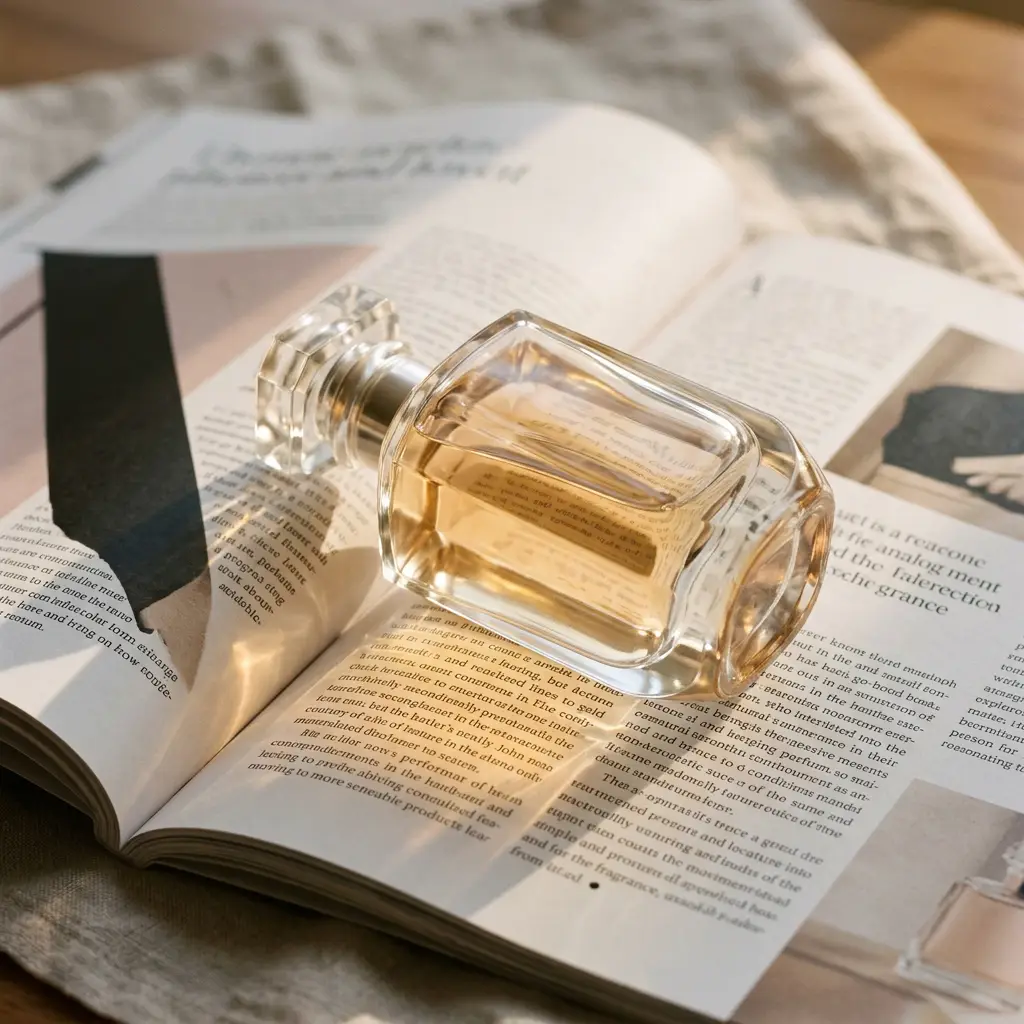
Chanel Beauty partnered with creators like Erika Veurink, Laurel Pantin, and Jess Graves for the launch of their new fragrance, Coco Mademoiselle Crush Absolu, in September 2026. The move wasn't a sponsored post tacked onto an existing campaign. It positioned editorial newsletters as launch infrastructure.
Fragrance is impossible to fully experience without smelling it, but long-form writing is the perfect medium for this campaign because the written word can get pretty close to the real experience, according to industry analysis of the approach.
That's the strategic bet Chanel made. Not Instagram carousel ads or influencer unboxings, but 1,500-word essays woven around memory, desire, and the intangible.
Why fragrance works in newsletters (and why brands missed it until now)
Fragrance has always been sold through storytelling. The difference is where that story lives.
For decades, it lived in glossy magazine advertorials and cinematic TV spots. Then social platforms arrived and the explosion of Reels, Shorts, and TikTok forced fragrance marketing to visualize the intangible. Brands leaned into hyper-stylized visuals: slow-motion pours, blurred bodies in sunlit fields, anything to capture feeling in a single frame.
But short-form video optimises for stopping a scroll, not for the emotional architecture a fragrance actually needs. You can make someone pause. Getting them to want something they've never smelled requires a different mechanism.
Erika Veurink's sponsored piece described how Coco Mademoiselle Crush Absolu lingers, and its woody, amber base matches the grounding she's after at thirty. Laurel Pantin wrote about the floral brightness from grapefruit and lychee that reminded her of the optimism of a new beginning, and how it softened into something she described as the scent of the first time you bury your face into someone's bare neck.
Those aren't product descriptions. They're sensory proxies. The kind of writing that doesn't explain a fragrance but reconstructs the emotional experience of wearing it.
That's the strategic value Chanel saw in Substack. Still Here, a New York denim brand, partnered with five creators on Substack for a product launch, and with over 75% open rates, the jeans sold out on launch day, with 80% to 90% of click-throughs originating from Substack newsletter emails. The format delivers engaged attention at scale, in an environment where the reader has opted in for depth.
How Chanel structured the partnerships
Erika Veurink's article "Treat Your Creativity Like A Crush" was a sponsored piece with clear references to the Coco Mademoiselle Crush Absolu perfume. Laurel Pantin's letter was produced with support from Chanel. Both were transparently marked, and both gave the writers full creative control over how they integrated the fragrance into their narrative voice.
The pieces weren't identical. Veurink anchored hers around treating creativity with the same commitment you'd give a crush. Pantin wrote about the persistence of the back-to-school feeling and how scent acts as a time machine. Same product, completely different emotional entry points, tailored to each writer's existing editorial style.
That matters. Still Here gave each creator full creative agency over how they spoke about the product, a strategy that preserved the trust readers have with the writer while embedding the brand message into a story that already felt native.
Chanel didn't hand over templated talking points. It handed over a product and let experienced editorial voices do what they do best: make someone feel something through words.
Fragrance is, of course, impossible to fully experience without smelling it, but that's why long-form writing is the perfect medium for this campaign.
Brand Baby newsletter analysisThe business model shift this represents
Brands have been present on Substack for over a year, mostly through sponsored editions or their own newsletters. Companies including Madewell, American Eagle, Billboard, Rare Beauty, The RealReal, Bandcamp and Tory Burch now operate newsletters on Substack, treating the platform less as an advertising venue and more as an editorial channel.
But using Substack creators as primary launch infrastructure, not secondary amplification, is newer. It signals a recognition that for certain products (luxury, sensory, high-consideration), the editorial format carries more persuasive weight than a traditional ad unit ever could.
The RealReal found that its Substack has generated over $334,000 in sales since launch. Saie saw 20% month-over-month growth in Substack subscribers this year. The platform is proving it can drive commercial outcomes, not just engagement.
What Chanel did differently was positioning Substack creators at the start of the funnel, not the end. The campaign didn't launch on Instagram and get amplified through newsletters. The newsletters were the launch, supported by experiential events and traditional channels running in parallel.
That sequencing matters. It treats the reader (and the format) as worthy of a first look, which changes the dynamic from "please share this thing we already announced" to "you're inside the story as it happens".
What this means for social marketers
If Chanel, a house not known for taking digital risks, is treating Substack as launch-worthy infrastructure, the format has crossed a threshold.
Three strategic implications follow.
First, fragrance isn't the only product that benefits from this treatment. Anything that requires emotional setup (luxury goods, complex B2B tools, wellness products, considered purchases) could work better in long-form editorial than in a carousel or a 15-second video. The question isn't "can we sell this on social?" It's "does this product need more room to breathe than social allows?"
Second, open rates and click-throughs mean more when the reader actively chose to be there. M.M.LaFleur's Substack consistently achieves 40-50% open rates, which is significantly harder through traditional marketing emails. That's not just a metric. It's a signal of trust and attention that doesn't exist when you're interrupting someone mid-scroll.
Third, creative control isn't a risk when you choose the right partners. Chanel didn't lose brand safety by letting Veurink and Pantin write in their own voices. It gained authenticity. The pieces worked because they didn't sound like ads. That only happens when the brief is tight on product truth and loose on execution, and when the creator has an editorial track record worth trusting.
What Chanel got right (and what others will copy)
Chanel launched a 25-year-old franchise extension into a saturated September fragrance market. Coco Mademoiselle Crush Absolu is a flanker marking the 25th anniversary of the original Coco Mademoiselle. The product itself wasn't revolutionary. The channel strategy was.
By treating newsletters as the lead story and choosing writers whose audiences already care about sensory detail, Chanel built launch momentum in an environment where readers were primed to engage deeply, not just double-tap and move on.
The model is reproducible. Pick creators whose editorial voice matches the product's emotional register. Give them the product and the freedom to integrate it honestly. Mark it clearly as a partnership. Treat the newsletter as the launch, not the echo.
Other luxury and beauty brands are watching. American Eagle joins fashion brands The RealReal and Tory Burch as well as beauty brands Saie and Rare Beauty on the newsletter platform, and the trend is accelerating as brands realize that Substack hits 100,000 paid publications with audiences that skew older, more affluent, and more engaged than TikTok's.
The Chanel campaign proves a product you can't experience online can still be sold there, as long as you give it the editorial space it needs. Fragrance might be impossible to smell through a screen, but if the writing is good enough, you can almost remember what it feels like to want it.
That's not a creative flourish. That's a commercial strategy, and it's working.