

TikTok Shop's image search shifts product discovery power from buyers to affiliate creators
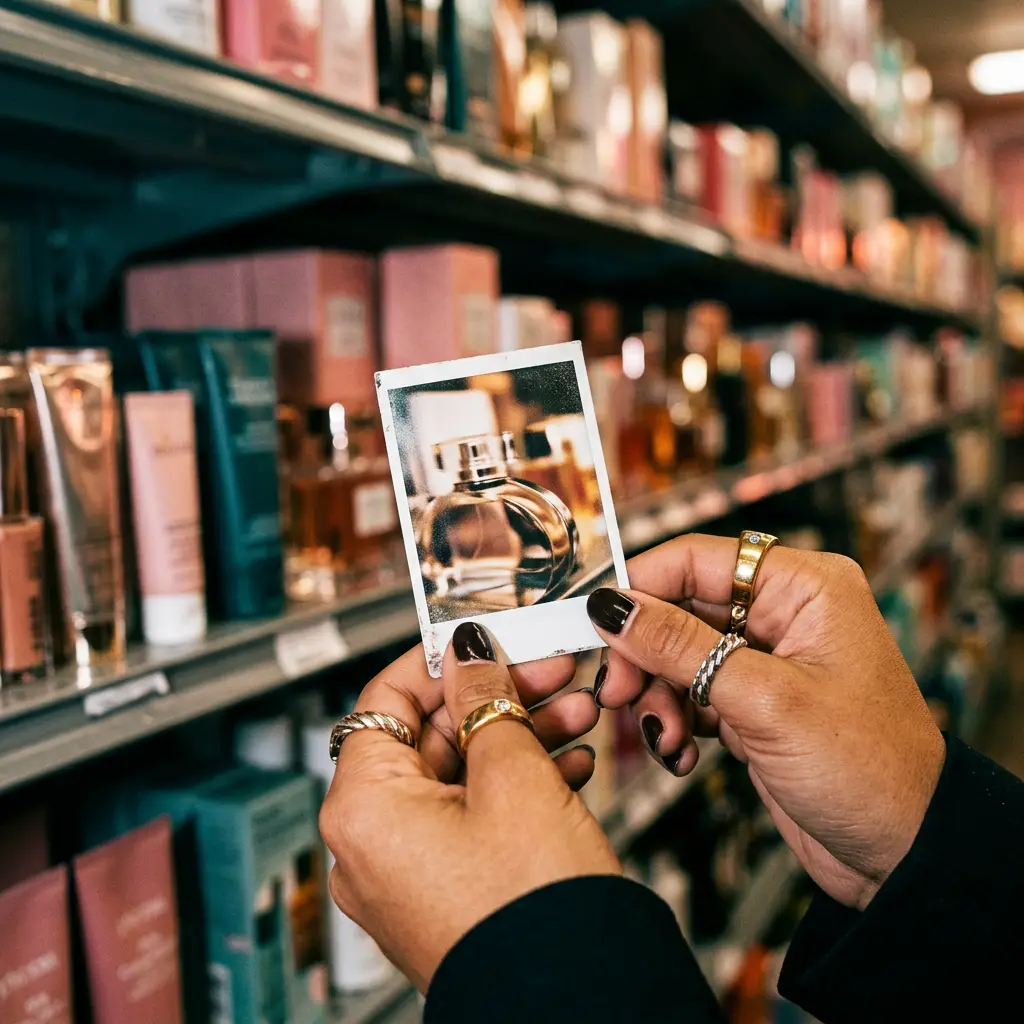
TikTok Shop's image search feature allows users to upload or snap photos to find matching products in the app's Shop tab. The functionality is available to users in the US and Southeast Asia, markets where TikTok Shop has seen the strongest traction.
The mechanic is straightforward. Users tap the search icon, select the image option, and upload a photo from their gallery to find similar items in TikTok Shop. The platform surfaces visually similar products available for purchase, closing the gap between seeing something desirable and buying it in-app.
Image search is not a new concept, with Google, Pinterest and Amazon all offering their own variations. Google Lens handles about 20 billion visual searches per month, with 4 billion related to shopping, while Pinterest processes around 600 million visual searches monthly.
But TikTok Shop's version serves a different primary user. Where Google Lens and Pinterest solve a buyer problem (finding where to purchase something), TikTok's image search solves a creator problem: how to monetise household inventory without waiting for brand samples or partnership approvals.
The affiliate workflow the feature accelerates
Three-quarters of TikTok Shop revenue comes from affiliate creators promoting products for commission. Creators can use the Search by Image tool in the TikTok Shop Toolkit to snap a photo or upload one, and TikTok pulls up matching products they can add straight to their Showcase. The tool helps affiliate creators find more products to put in their showcase that they already have at home to promote and create videos.
The speed matters. Creators can photograph products they use daily, such as makeup or supplements, and begin promoting them immediately without waiting, since they already have the product in-hand. No partnership negotiation, no sample shipment delay, no brand approval bottleneck.
This removes friction from the affiliate supply chain. A creator filming morning skincare content can photograph each product, pull up TikTok Shop equivalents via image search, add commission-eligible items to their Product Showcase, and link them in the video before the content goes live. The entire monetisation path happens in minutes, not weeks.
This tool can be a huge help to TikTok shop affiliate creators.
Creator education content on TikTokWhat it changes about product discovery
On traditional search or ecommerce platforms, buyers control discovery. They type what they want, the algorithm returns matches, and the transaction follows buyer intent. Visual search on Google or Pinterest follows the same model: a buyer sees something, searches for it, and the platform helps them find where to buy it.
TikTok Shop image search inverts that dynamic. Buyers might arrive with intent, but what they find is shaped by what creators decided was worth filming. The feature hands creators faster access to inventory, which means more products enter the recommendation stream based on what's already in creators' homes, not what buyers explicitly searched for.
Sites using visual search see an 11 per cent average increase in conversion rate, and visual search results in a 27 per cent higher conversion rate on ecommerce platforms. But those figures assume buyers are using the tool to find things they want. On TikTok Shop, the conversion gains accrue to products creators choose to photograph and promote, regardless of whether buyers knew to look for them.
The algorithmic amplification layer compounds this. Roughly 6.5 per cent of TikTok Shop affiliates generate 80 per cent of sales, meaning a small group of high-performing creators determines what most buyers see. Image search gives that cohort a faster way to expand their product catalogues, which the algorithm then pushes to millions of viewers who never performed a search at all.
The inventory problem brands now face
Brands selling through TikTok Shop already struggle to predict which products affiliates will pick up. Image search makes that less predictable. A creator photographing their kitchen for unrelated content might spot a mug, run an image search, find a similar TikTok Shop product offering 15 per cent commission, and film a recommendation video within the hour. The brand that made the mug has no visibility into that decision until sales data arrives.
This creates an attribution gap. Brands optimising for search visibility or running paid campaigns can track those levers. A product discovered via a creator's opportunistic image search, then promoted in organic content the brand never knew existed, bypasses that measurement entirely.
It also shifts leverage. Brands that want affiliate promotion traditionally court creators, send samples, negotiate terms. Image search lets creators bypass that entirely for products they already own or can access locally. The creator decides what's worth promoting based on commission rates, personal use, and content fit. The brand is notified by the sale, not consulted beforehand.
For sellers, this means SKU-level commission rates matter more than partnership outreach. A product with competitive creator payouts and strong visual recognisability will get picked up faster than one relying on brand relationships, regardless of which has better margin or strategic priority for the seller.
What other platforms built image search to do
Google has enabled shopping through its visual search feature, Google Lens, since 2018. Eighty per cent of Pinners begin with visual search when shopping, versus 58 per cent of non-Pinners, according to Pinterest's own research. Both platforms designed the feature to help buyers find products they want.
Amazon's implementation works the same way: a shopper sees something, uploads a photo, and Amazon surfaces where to buy it. The buyer controls the query; the platform fulfils demand.
TikTok's creator-first model turns that inside out. The feature's primary use case is not helping buyers find things. It's helping creators monetise things they already have. Buyers benefit indirectly, discovering products through creator content they might not have thought to search for. But the discovery path runs through creator inventory decisions, not buyer intent.
That distinction determines what gets found. On Google or Pinterest, niche or hard-to-describe products win because buyers struggle to articulate them in text. On TikTok Shop, products that photograph well, convert reliably, and pay competitive commissions win, because those are the criteria creators optimise for when choosing what to film.
The mechanics favour conversion over exploration
Visual search results in a 27 per cent higher conversion rate, and studies show that visual search guides shoppers to checkout twice as quickly as text-based search. Speed and conversion are the design goal. Image search removes cognitive load: no thinking about keywords, no browsing pages of results, just show the platform what you want and buy the match.
For buyers using the feature directly, that works. For buyers discovering products through creator content that was sourced via image search, the speed compounds. The creator has already filtered for things worth recommending, shot the content, and linked the product. The buyer watches, taps, and buys. The entire journey from discovery to checkout happens in seconds, inside a single app, with minimal friction.
TikTok Shop hit $23.4bn in US sales last year, with creators driving three-quarters of revenue. Image search tightens the loop that makes that figure possible. More creators can monetise more of their existing content faster, the algorithm promotes what converts, and buyers encounter products shaped by creator economics rather than their own search intent.
What social marketers should watch
Brands running TikTok Shop need to treat creator commission structures as a primary lever, not an afterthought. If your product is photographable and you're not offering competitive affiliate payouts, it won't get picked up via image search, regardless of product quality or brand strength.
Track where sales are coming from. If you're seeing conversions from creators you didn't partner with, promoting products you didn't send samples for, image search is likely the entry point. That's useful signal: it means your product is visually distinctive enough and competitively priced enough that creators are finding and promoting it unprompted. Double down on whatever's making that happen.
For creators, this is a monetisation unlock. You no longer need to wait for brand partnerships to earn from products you already use and recommend. Photograph it, search it, add it to your Showcase, film it. The faster you can move from household item to commissioned content, the more inventory you control.
For buyers, the shift is invisible but material. What you discover on TikTok Shop is increasingly determined by what creators chose to photograph and promote, filtered by commission rates and conversion performance, rather than by what you thought to search for. That's not inherently worse, but it is structurally different from buyer-driven search, and it benefits products and sellers optimised for creator economics, not buyer intent.
Our earlier breakdown of the image search feature explores how this changes seller strategy in detail. The short version: the brands winning TikTok Shop are the ones treating creators as the primary customer, not the end buyer. Image search accelerates that reality.