
YouTube raises Partner Program entry bar to 8,000 watch hours from February 2027
YouTube announced in August 2026 that new creators applying to the YouTube Partner Program (YPP) will need 8,000 qualified watch hours in the last 365 days, or 20 million qualified Shorts views in the last 90 days. The change takes effect February 1, 2027, and it does not affect creators already in the programme.
These are the first major changes YouTube has made to its revenue-sharing programme since 2018, when the company's eligibility requirements moved from 10,000 views per channel to the current model.
The new thresholds double the existing entry requirements of 4,000 watch hours or 10 million Shorts views. The subscriber minimum stays at 1,000. With over 3 million creators in the YPP, YouTube's heightened eligibility requirements for monetisation are meant to "keep pace with the growth" of the platform, which now sees over 200 billion daily Shorts views and over a billion hours of watch time on TV per day.
What changes and what does not
From February 1, 2027, new applicants face 8,000 hours or 20 million Shorts views. The entry thresholds for fan funding and shopping products stay unchanged.
The doubled bar applies only to new creators applying for full ad revenue and Premium revenue sharing. Channels already in the Partner Programme retain their status under the current rules.
But there is a second, separate change that affects everyone, including long-standing partners: from February 1, 2027, every channel in YPP will need 10 million qualified Shorts views over the previous 90 days to be eligible for ads and subscription revenue sharing on Shorts.
Channels below that line stay in YPP and continue to earn on long-form content, with Shorts revenue sharing resuming automatically once they cross 10 million views again. This turns Shorts monetisation from a one-time milestone into a recurring performance test.
The numbers that matter for planning
Industry outlet vidIQ, which reviewed YouTube's detailed change guide, put the scale of the ask in daily terms: 8,000 hours over 365 days averages about 22 hours of channel watch time per day, while twenty million Shorts views over 90 days averages about 222,222 qualified views per day.
To put those figures in context: a 10-minute video needs around 132 minutes of total watch time per day at 50 per cent average retention to contribute to the 22-hour daily average needed over a year. Scale that across a regular upload schedule and the bar becomes visible.
For Shorts creators, the 20 million view threshold works out to roughly 6.7 million views per month sustained across 90 days.
YouTube has not published transition rules for applications pending on February 1, 2027. Existing partners are grandfathered in but must accept updated terms by January 31, 2027.
What this does to the early monetisation ladder
YouTube still offers a lower Partner Programme tier at 500 subscribers, which unlocks fan funding tools such as memberships, Super Chat, and Shopping without requiring 8,000 hours. That tier is unchanged.
But the gap between unlocking those features and earning ad revenue has just widened sharply. A creator can now spend months or years inside the Partner Programme, with access to fan funding, while still being locked out of the revenue stream that matters most at scale: ads.
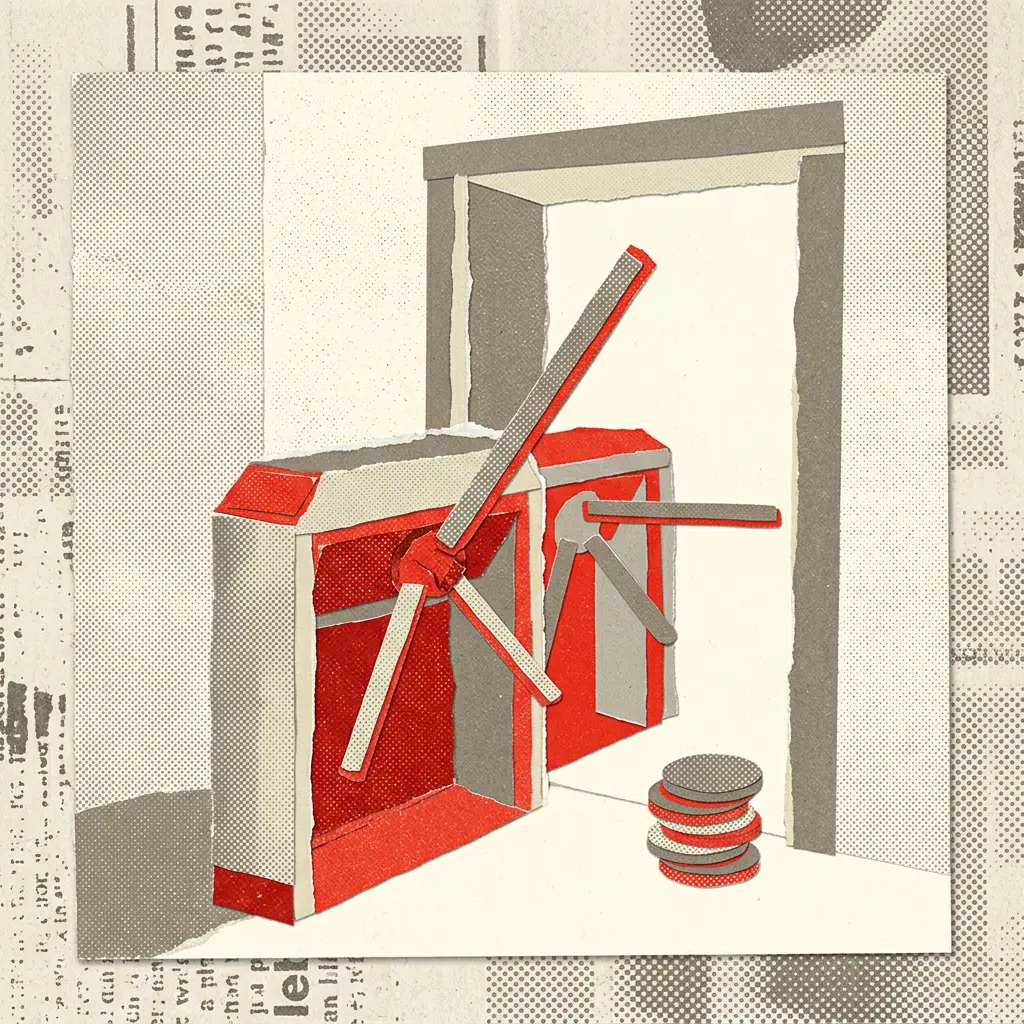
The 8,000-hour rule changes entry to ad and Premium revenue sharing.
YouTube Partner Program update, August 2026The implication is clear. The changes make it harder for creators to enter and remain in YouTube's monetisation programme, especially for Shorts creators. By increasing thresholds, YouTube is putting more pressure on creators' ability to consistently bring in large audiences before being able to earn money on the platform, which could in turn lead to fewer new entrants being able to monetise their content.
Where this leaves YouTube against the field
According to research, 29% of creators say YouTube is the top platform for generating income, as it has a varied and long-standing monetisation framework. That remains true in 2026, but the context around it has shifted.
For direct platform payments, YouTube is the clear winner at $2 - $12 per 1,000 views on long-form video. For total creator income (including brand deals), Instagram generates the most sponsorship revenue despite paying $0 directly.
A creator getting 100,000 views on TikTok earns $40 - $100. On Instagram, the platform pays them nothing: every dollar has to come from brand deals.
YouTube's advantage has always been stable, predictable ad revenue at scale. The new thresholds do not change the payout once you are in, but they do push the point at which a creator can rely on platform income further into the future.
For an early-stage creator building in 2026, that delay matters. TikTok pays less per view, but it pays sooner and asks for less upfront proof of audience. Instagram pays nothing directly, but brands will work with creators at far lower follower counts than 8,000 hours of watch time implies.
The platform that used to reward patience now requires significantly more of it. For creators who cannot afford to wait, or who need income signals earlier to justify continued investment, YouTube is no longer the obvious first choice.
What to do if you are affected
If you are already in the Partner Programme, nothing about your entry status changes. You must accept the new terms by January 31, 2027, and if you earn from Shorts, you need to maintain 10 million qualified views over a rolling 90-day window to keep that revenue active.
If you are building towards the threshold now and have not yet applied, check your YouTube Studio progress against both the current bar and the February 1 threshold. If you are within reach of 4,000 hours or 10 million Shorts views, getting the application in before the deadline is the difference between qualifying this year and needing to double your performance to qualify next year.
If you are starting from scratch in 2027, the calculus has shifted. Long-form remains the higher-value route once monetised, but the time to revenue has just extended. Shorts can get you there faster in theory, but the 20 million view bar and the new rolling 10 million view floor mean Shorts monetisation is no longer stable unless your channel can sustain that pace month after month.
For brands working with emerging creators, this matters. A creator inside the Partner Programme in 2027 has cleared a meaningfully higher bar than one who joined in 2025. That is worth reflecting in how you vet, price, and structure partnerships.
The bigger picture: YouTube tightens the funnel
Alongside the threshold increase, YouTube announced expanded monetisation beyond ads: Shopping bonuses, brand-deal incentives, and a wider Premium Lite rollout for creators below the new bar.
YouTube is not closing the door to smaller creators. It is redirecting them. The message is: earn through commerce, fan funding, and brand deals first. Earn through ads later, once you have proven sustained audience pull.
That is a significant reframing of what the Partner Programme represents. For years, YPP has been the entry point to YouTube as a business. Now it is the midpoint. The early game happens elsewhere: in Shopping, in memberships, in the 500-subscriber tier that gives you tools but not ad revenue.
Whether that works depends on whether creators can actually monetise through those alternative routes at the scale needed to keep building. For some niches, memberships and Shopping are real income. For others, they are noise until ad revenue kicks in.
The gap between those two groups has just widened, and YouTube has made a clear bet on which creators it wants to pay first.
What this signals about platform economics
This is not just a YouTube story. It is a reminder that platform monetisation thresholds are not fixed. They reflect the platform's economics, and when those economics shift, the thresholds shift with them.
YouTube can afford to raise the bar because it still pays better than the alternatives at scale. TikTok raised its Creator Rewards threshold to 10,000 followers and 100,000 qualified views in the last 30 days in 2023. Instagram still does not pay most creators directly at all. Platforms tighten access when they can, and creators absorb it because there is nowhere else that pays as well once you clear the bar.
But the longer the wait to revenue, the more creators need to stack income from multiple platforms rather than building on one. That has always been true in theory. In 2027, with an 8,000-hour entry bar on YouTube and similar tightening across TikTok and Instagram's shifting incentive structures, it becomes the only viable strategy for anyone who cannot afford to work for free while the algorithm decides whether to let them in.
For social media marketers working with creators, this is the environment you are hiring into. The creators who make it to monetisation in 2027 will have worked longer, tested more, and likely spread their effort across more platforms than the cohort that came before them. That makes them more resilient, but it also makes them harder to lock into exclusive deals and more likely to treat any single platform as just one part of a broader income strategy.
The era of YouTube as the safe, patient build is not over. But it now asks for twice as much patience, and for many creators, that is too much to give.