
YouTube's TV companion mode turns second-screen browsing into an engagement tool creators can finally measure
YouTube now allows viewers to browse Shorts, read descriptions, comment, subscribe and search on their phones while content continues playing on their TVs, without disruption. The feature was announced on 1 September 2026 and went live on 3 September.
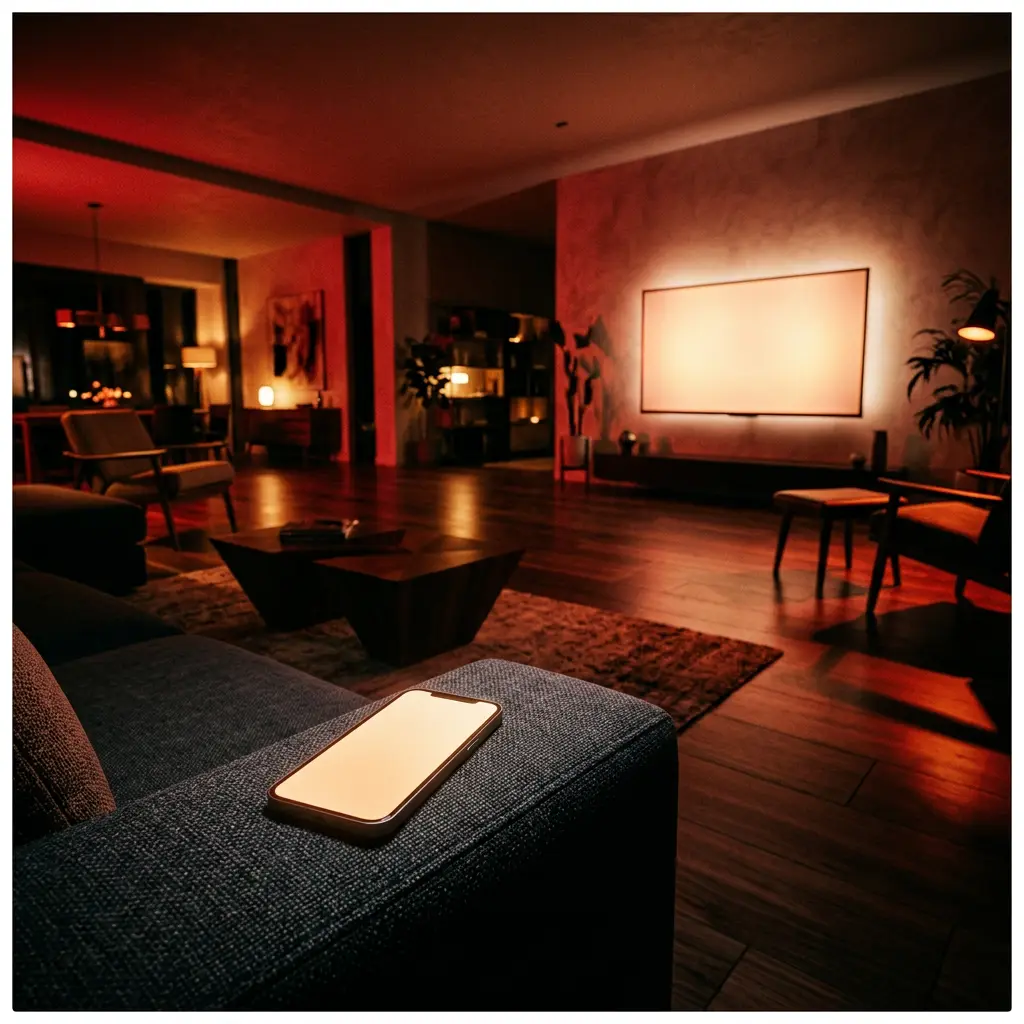
The shift matters because it acknowledges what every creator already knows: viewers are on their phones during long-form content anyway. Viewers now watch more than a billion hours of YouTube content on TV screens every day, and most TV viewers watch with a second screen in hand, with 65% using their secondary device to look up information and visit advertiser sites while they stream.
Until now, that behaviour was a retention problem. Viewers who picked up their phones to check a notification or scroll another app were lost. The video kept playing to an empty room, inflating view counts while cratering actual watch time. YouTube's solution routes that inevitable distraction back into engagement the algorithm can actually see.
What changes for creators making long-form content
Four changes now apply: shared Wi-Fi is no longer required, replaced by signing in with the same account on both devices; liking, commenting and subscribing can be done from the phone during TV playback; the mobile app stays usable for search and Shorts browsing without interrupting the television; and videos can be sent to the television from the mobile home feed.
A complementary panel opens automatically when the app detects television playback, and is reachable afterwards through a devices icon on the mobile home screen.
The feature solves the core problem that's plagued creators optimising for TV viewing: how to keep someone engaged when the remote is six feet away and typing a comment takes 90 seconds. YouTube cited viewer feedback that certain features, including writing comments, reading descriptions and subscribing to a channel, are difficult to operate with a standard remote control.
For creators, this creates a new engagement surface. A viewer can now browse your creator economy partnerships or scroll through your Shorts catalogue on their phone while your 40-minute video essay plays on the screen behind them. That's engagement YouTube's systems can measure and reward, rather than dead air that looks like disengagement.
The TV is your favourite place to watch YouTube, but some features like typing out comments, reading a description, or subscribing to a channel can be tricky when you're only using a standard remote.
YouTube announcement, September 2026Why this matters for retention and watch time
YouTube commanded 13.4% of all US TV viewing in April 2026, ahead of every cable network and broadcaster. That dominance has been built on long-form and live content that suits lean-back viewing. But retention on TV has always been harder to read than mobile, where every scroll, pause and rewind is a signal.
The companion mode gives creators access to signals that were previously invisible. If a viewer picks up their phone mid-video to check your description or browse your channel, that now registers as active engagement rather than as the start of drop-off. For algorithm-driven reach, that distinction is everything.
The longer someone stays on a video, the more YouTube will show it to others, because the platform prefers to rank videos that viewers watch longer. Companion mode keeps that watch time accruing even when attention shifts temporarily to the phone.
The commercial angle no one's saying out loud
The US Connected TV advertising market is projected to reach roughly $37.95 billion in 2026, up about 15% year-over-year. YouTube's push into the living room isn't just about reach. It's about proving to advertisers that TV-based YouTube viewers are engaged, not just passively streaming while the room empties.
The shift gives media buyers a cross-device signal that ties phone activity to TV playback. That's attribution advertisers have been chasing since streaming overtook cable. If a viewer watches an ad on TV, then picks up their phone to visit a product page or subscribe to the brand's channel, YouTube now has both ends of that journey under one signed-in account.
For creators monetising through YouTube's Partner Program, deeper engagement on TV inventory makes their audience more valuable to advertisers. That could translate to higher CPMs on long-form content designed for TV viewing, particularly in categories like education, finance and lifestyle where courses and in-depth series are already migrating from mobile to the big screen.
What to do on Monday
If you're creating long-form content and TV is a growing share of your watch time, test how companion mode affects your engagement metrics. Look for:
- Comment rate changes. If phone-based commenting is genuinely easier, you should see comment volume rise without a corresponding drop in watch time.
- Subscription spikes during playback. Viewers who browse your channel mid-video and subscribe are higher-intent than casual mobile scrollers. Track whether TV-sourced traffic converts differently.
- Shorts views from TV viewers. If viewers are browsing Shorts on their phones while your long-form plays on TV, your Shorts become a retention tool rather than a distraction. Check whether your Shorts feed is surfacing the right content to keep someone in your ecosystem.
Structure your content for distraction. If viewers are going to pick up their phones mid-video anyway, design moments where that behaviour serves you. Call out your Shorts, your description links, or your subscribe prompt at natural break points where someone might otherwise leave entirely. Companion mode turns those moments into engagement opportunities rather than exits.
For advertisers and brands running YouTube CTV campaigns, the shift means your TV ads now have a direct path to mobile conversion without pulling the viewer out of the YouTube environment. Test whether phone-based actions during TV ad delivery drive better post-view behaviour than mobile-only campaigns.
The bigger pattern
YouTube's companion mode is part of the same strategic bet across the platform: make second-screening productive rather than destructive. Research on second screening shows that show-related second screening has a positive effect on attitude toward the show and on actual repeat viewing, with no evidence that second screening harms actual repeat viewing.
The feature doesn't fight the way people actually watch content in 2026. It routes that behaviour into the engagement layer YouTube's algorithm and advertisers both rely on. For creators, that's the shift that matters. Your audience was already on their phones. Now YouTube's counting it.