Features & insight
Features and insight
Expert analysis, reporting and long reads on the platforms, people and strategies shaping social media.



Meta removes off-platform data opt-out: the quiet audience upgrade marketers didn't ask for
Starting July 2026, Meta stopped allowing users to disconnect their off-platform activity from their profiles. The change hands advertisers wider retargeting pools and stronger signal quality without collecting new data, but the real shift is what that activity now powers beyond ads.

FTC finalises $750k TruHeight settlement over fake reviews and false health claims in influencer campaigns
The order bars the supplement brand and its founders from deceptive advertising after the company used fake social profiles, incentivised five-star reviews and made unsubstantiated growth claims targeting children and teenagers.

YouTube rolls out global Trends page for Shorts and comment search as creators become 'the new studios'
The platform repositions creator content as studio-quality programming with new discovery and moderation tools launched globally in July 2026, as CEO Neal Mohan declares the end of dismissing creators as "simply UGC".

EU rejects blanket social media ban, demands platforms prove safety before under-13s can access
Europe is shifting the burden of proof to Meta, TikTok and others: prove your platforms are safe by design, or lose access to children. A legislative proposal expected this autumn will enforce phased access from age 13 and make infinite scroll and autoplay opt-in, not default.

Substack writer numbers doubled to 100,000 earning money, but most make under $500 annually
Monetising publications on Substack nearly doubled from 50,000 to 100,000 in under a year, but new data reveals a stark divide: the median creator earns just $4,000 per year while losing half their paid subscribers every 12 months.
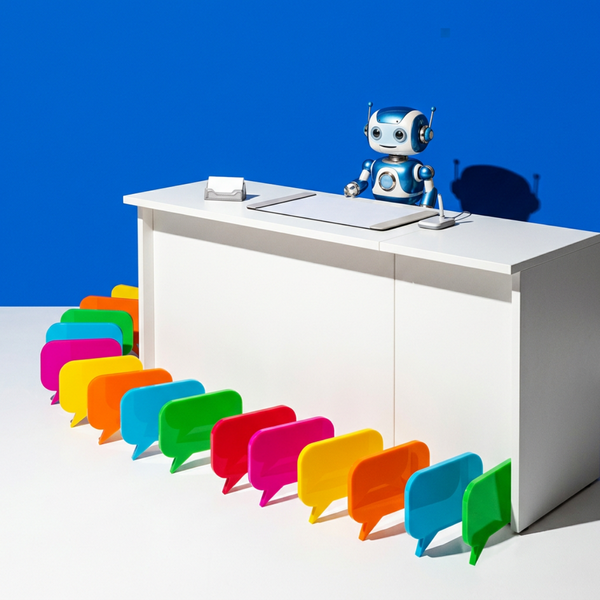
Meta's AI Business Agent is now live globally: what it means for social media teams
Meta rolled out its AI Business Agent to over a million brands on WhatsApp and Instagram DMs in June. The move pushes messaging apps into full commerce and automated support territory, but social media professionals need to understand where it actually works and where it stops.

Instagram's DM share signal now drives 3 to 5 times more reach than likes
The platform has fundamentally rewritten what 'engagement' means. Confirmed by Adam Mosseri in January and still the dominant signal in July 2026, DM shares dictate non-follower reach, forcing brands to rethink every piece of content.

Mid-tier creators earning £50k+ face 40% income swings every month. Brands are finally reacting.
New July 2026 data shows income volatility isn't an anomaly for the middle tier of the creator economy; it's structural. That's driving a decisive shift from campaign bursts to always-on programmes and recurring revenue models.

Instagram Instants turns ephemeral sharing private (and why that's the anti-Reels move)
Instagram launched Instants last month, a disappearing photo feature designed for private, unedited moments. At a time when every other update pushes reach and performance, this is the quiet bet on intimacy over impressions.

TikTok Streaming Ads hands Netflix and Disney+ a direct line from discovery to subscribers
TikTok launched Streaming Ads on 8 July 2026, a Smart+ powered performance format that lets streaming platforms turn the app's cultural influence into measurable subscription growth. It's the first catalog-fuelled ad solution built specifically for entertainment, and it puts TikTok in direct competition with YouTube and Meta for streaming marketing budgets.

Meta embeds its first in-house image generator straight into advertisers' workflows
Muse Image launched on 7 July across Instagram, WhatsApp and Meta AI, putting image generation from Alexandr Wang's Superintelligence Labs inside billions of active accounts and directly into Advantage+ ad tools within weeks.

Patreon forces creators to merge profiles by 6 July, erasing anonymity for thousands of patrons
The platform is mandating all creators combine their creator and fan identities into a single public profile, with automatic merging in August deleting past member activity. The change threatens privacy for adult creators and patrons who kept their support anonymous.
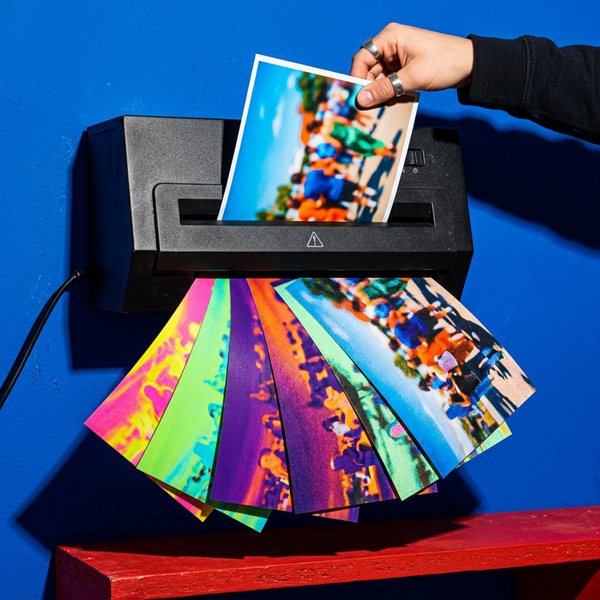
Meta's Muse Image lets anyone remix your public Instagram photos without asking. Here's why that changes the rules
Meta launched Muse Image on 7 July with a feature that turns every public Instagram account into material for AI generation by default. Anyone can @-mention you, pull your photos, and generate new images. You get no notification, and opting out won't remove what's already been made.

Macro creators cost 45% more per engagement than nano creators, new pricing index shows
SociaVault Labs' free 2026 report reframes influencer pricing around value, not headline rate, introducing a cost-per-1,000-authentic-engagements metric that exposes the hidden premium brands pay at scale.

How to turn off AI reuse of your Instagram content
Meta's latest AI update allows public Instagram content to be reused to generate new AI images, unless you opt out. This article explains what the new "Sharing and reuse" setting does, why it matters for creators and brands, and walks you through, step by step, how to turn off AI reuse for your posts and reels while keeping your account public

Reddit renames crosspost to repost and rolls out video comments, signalling shift to visual engagement
Reddit's crosspost feature became 'repost' on June 4, and video comments went live across eligible public communities on June 11. Together, the changes push the text-first platform closer to TikTok's visual engagement model.

TikTok folds entertainment and commerce into one funnel with Mini Dramas and retail ad formats
TikTok has launched Mini Dramas for episodic branded storytelling, promoted through a new TikTok Growth Max automation tool, alongside Logo Takeover and Prime Time ad formats aimed at retailers. The platform is combining serialised content, built-in monetisation, and high-impact placements to keep discovery and purchase inside the app.

Reddit's AI crackdown forces brands to abandon bulk marketing accounts
The platform's upgraded detection system, rolled out on 6 July, is blocking 23 million spam views daily and identifying coordinated account behaviour at scale, ending the era of volume-led Reddit tactics.

Meta's cloud business flips its ad platform into infrastructure play
After spending up to $145 billion building AI infrastructure this year, Meta is planning to sell excess compute to outside customers. The move signals a fundamental shift in how social media marketers should view the company behind Facebook and Instagram.

Google Search Console now tracks Instagram, TikTok, YouTube and X as properties
Platform properties, rolling out this week, let marketers measure social traffic from Google Search the same way they've measured websites. It's the clearest signal yet that Google treats social discovery as search, not a side channel.

Instagram puts the teleprompter inside Reels as creators trade off-the-cuff for on script
Meta's moved the teleprompter from its Edits app straight into Instagram's main camera this week, making it easier for creators to record scripted Reels without a second device or paid third-party tool. The shift signals Instagram's push towards polished, one-take content and raises questions about what gets lost when every video is scripted.

TikTok Symphony's July update delivers 50 - 70% faster ad production and reshapes the in-house vs agency content equation
The July 2026 consolidation integrates Dreamina Seedance 2.0, Reference to Video, and expanded Digital Avatars into a single production-to-performance pipeline. With 80%+ of first-pass outputs now usable without manual fixes, advertising teams can compress timelines from weeks to hours, challenging traditional creative resourcing.

UK's under-16 social media ban puts marketing teams on four-month countdown to prove age verification works
The government announced a full ban on social media for under-16s on 15 June, with legislation expected before Christmas and implementation in spring 2027. Ofcom has until October to assess age verification methods, creating immediate compliance pressure for platforms and any brand targeting family audiences.